pear puree for baby
This gentle guide is crafted with Rank Math SEO optimization in mind so you can find trustworthy help fast.
Introducing pear puree for baby can feel exciting and a little scary at the same time. You want your little one to love food, stay safe, and get the right nutrition. Yet every new spoonful can bring questions. 🍼
Is this fruit too sweet? Should I cook it? Can I mix it with cereal? What if my baby gets gassy or constipated?
Pear is often a favorite first food. It is naturally sweet, soft when ripe, and easy on tiny tummies. With a few simple guidelines, you can serve it confidently and avoid common mistakes.
In this article, you will learn:
- How to make pear puree for baby step by step
- What can i mix with pear puree for baby and what to avoid
- How to spot signs that your baby is ready
- Safe storage, reheating, and allergy tips
Let’s walk through ten essential tips so pear puree becomes a happy, stress‑free part of mealtimes. 🍐
1. Choose the right pear and perfect ripeness 🍐
The quality of your pear puree starts with the fruit itself. Not every pear in the store is ideal for your baby.
For most babies, these varieties work well:
- Bartlett
- Anjou
- Comice
- Bosc
Look for pears that are:
- Slightly soft around the stem
- Free from bruises, cuts, or mold
- Fragrant but not fermented smelling
Why ripeness matters:
- Underripe pears can be gritty and hard to digest.
- Overripe pears may be too mushy, fermented, or sour.
A simple test:
Gently press near the stem with your thumb. If it yields slightly, it is ready. If it is rock hard, let it sit at room temperature for a few days.
If your baby is very young or sensitive, start with milder varieties like Bartlett or Anjou. These tend to be sweeter and less grainy.
Always wash pears well under running water. You remove dirt, bacteria, and surface pesticides. A quick scrub with a clean brush can help. 🚿
2. Peel, core, and cook safely before blending
Many parents ask whether they must cook pears. For young babies, cooking is usually best.
Here is why:
- Cooking softens the fruit and makes it easier to digest.
- Heat can reduce potential bacteria on the surface.
- Warm puree is often more soothing for tiny tummies.
Safe preparation steps:
- Wash the pear.
- Peel the skin with a vegetable peeler.
- Cut the pear in half and remove the core and seeds.
- Chop into small pieces for even cooking.
Gentle cooking methods:
- Steam in a steamer basket for 5–10 minutes.
- Simmer in a small amount of water until soft.
- Bake covered at 180°C / 350°F until fork‑tender.
Avoid frying or cooking in butter, sugar, or salt. Babies do not need added sugar or sodium.
Once cooked, let the pears cool slightly. Then blend with a little breast milk, formula, or clean water until very smooth.
3. How to make pear puree for baby: step‑by‑step 🥄
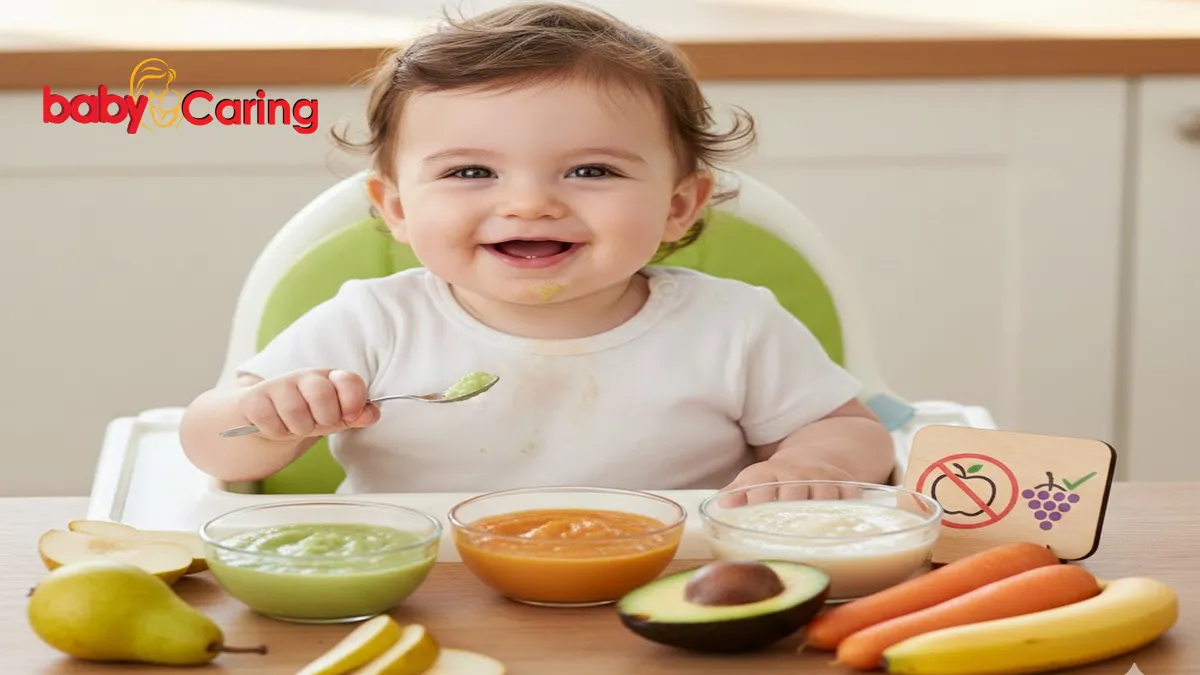
A simple method can keep you calm and organized. Here is how to make pear puree for baby at home.
Step 1: Gather ingredients and tools
- 2–3 ripe pears
- Clean water, breast milk, or prepared formula
- Steamer pot or small saucepan
- Blender or food processor
- Ice cube tray or small storage containers
Step 2: Prep the pears
- Wash, peel, and core.
- Cut into small chunks.
Step 3: Cook until soft
- Steam or simmer with a splash of water.
- Cook until a fork slides in easily.
Step 4: Blend to the right texture
- Add warm pear pieces to a blender.
- Blend, adding liquid slowly until very smooth.
- Aim for a thin, pourable texture for beginners.
Step 5: Cool and serve or store
- Let the puree cool to room temperature.
- Serve a teaspoon or two to start.
- Store leftovers in the fridge or freezer.
Homemade pear baby food lets you control ingredients. No added sugar, salt, or unnecessary extras. Just gentle nourishment.
4. What can i mix with pear puree for baby? Safe and tasty combos 😋
Once your baby has tasted plain pear a few times, you may want to mix things up. Many parents ask, “what can I mix with pear puree for baby?”
Pear pairs well with many foods because of its mild sweetness. Always introduce new foods one at a time first. Then combine once you know your baby tolerates each one.
Here are some great mix‑ins:
- Iron‑fortified baby oatmeal or rice cereal
- Mashed banana
- Steamed and mashed apple
- Steamed carrot or sweet potato
- Plain full‑fat yogurt (for babies over 6 months, if tolerated)
- Finely ground oats or quinoa
Example:
Mix pear puree with baby oatmeal in the morning. This adds fiber and iron while keeping a gentle taste.
Below is a quick guide to common combinations:
| Mix‑in Food | Approximate Starting Age* | Why It Works | Notes |
|---|---|---|---|
| Baby oatmeal cereal | 4–6 months | Adds iron and texture | Thin with breast milk, formula, or water |
| Mashed banana | 4–6 months | Extra calories and creaminess | Watch for constipation in some babies |
| Steamed apple | 4–6 months | Mild flavor and extra fiber | Peel and cook well for digestion |
| Sweet potato puree | 4–6 months | Beta‑carotene and long‑lasting energy | Great for dinner or late afternoon |
| Plain full‑fat yogurt | 6+ months | Protein and calcium | Avoid flavored or sweetened yogurts |
| Nut butter (thinned)** | 6+ months | Healthy fats and protein | Introduce carefully due to allergy risk |
*Always check with your pediatrician about timing for your baby.
**Only use smooth nut butters, thinned well, and follow allergy advice.
Avoid mixing pear puree with:
- Honey (unsafe before 12 months)
- Sugary cereals or cookies
- Cow’s milk as a drink before 12 months
- Salty or spicy foods
The goal is gentle flavor, simple ingredients, and steady variety.
5. Know when your baby is ready for pear puree
Timing matters as much as ingredients. Most babies are ready for solids around 4–6 months. Some may need more time.
Signs your baby may be ready include:
- Sitting with support and holding their head steady
- Showing interest in your food
- Opening their mouth when food comes close
- Losing the tongue‑thrust reflex most of the time
If your baby still pushes food out automatically, wait a little longer. That reflex protects them from choking.
Start with very small amounts:
- 1–2 teaspoons once a day at first
- Gradually increase as your baby shows interest
Remember that breast milk or formula remains the main source of nutrition for the first year. Pear puree for baby is a complement, not a replacement.
You can compare your approach with trusted infant feeding guidelines from the World Health Organization:
https://www.who.int/health-topics/infant-feeding
6. Get the texture and thickness just right
Texture can make or break a meal for your baby. A puree that is too thick can frustrate them. One that is too thin may not satisfy them.
In the early months:
- Aim for a silky, almost drinkable texture.
- Use more liquid to thin the pear puree.
As your baby grows and gains skills:
- Gradually reduce the liquid.
- Leave tiny soft lumps as they manage them.
- Move toward mashed pear with very small pieces.
Watch your baby’s cues:
- Gagging is not always choking. It is often a learning response.
- Turning the head away or clamping the mouth means “I’m done.”
- Reaching for the spoon and leaning in often means “I want more.”
Stay close, sit your baby upright, and never leave them alone with food. Safety is more important than finishing the bowl.
If your baby was born early or has developmental concerns, check with your pediatrician about the right textures and timing.
7. How much pear puree and how often?
It is easy to worry about portions. The truth is that babies vary widely. There is no single perfect amount.
General guidelines:
- First days: 1–2 teaspoons once a day.
- After a week or two: 1–2 tablespoons once or twice a day.
- Older babies (7–9 months): 2–4 tablespoons per meal, if interested.
Use pear puree for baby as:
- A gentle breakfast fruit with cereal.
- A light afternoon snack.
- A small part of a mixed meal with vegetables.
Signs your baby has had enough:
- Pushing spoon away.
- Sealing lips or turning head.
- Getting fussy or trying to climb out of the seat.
It is better to stop a little early than to push one more spoon. Trust your baby’s signals. They usually know when they are full. 😊
8. Watch for allergies, sensitivities, and reflux ⚠️
Pear is considered a low‑allergy fruit. Still, any food can cause a reaction. Stay alert when offering a new food, including pear puree.
Possible signs of a food allergy include:
- Hives or rash
- Swelling of lips, face, or eyelids
- Vomiting soon after eating
- Wheezing, trouble breathing, or extreme sleepiness
A severe reaction is a medical emergency. Call emergency services right away if you see breathing issues or facial swelling.
Milder issues can include:
- Loose stools or diarrhea
- Fussiness, gassiness, or more spit‑up
- Eczema flares
If you suspect a pear allergy, stop offering it and talk with your pediatrician or an allergist. For more background, you can review medical information about pear allergy and other food allergies.
Pear is often recommended for babies who struggle with constipation. Its natural sorbitol and fiber can help. However, some babies may get looser stools.
If your baby has reflux or frequent vomiting:
- Offer smaller, more frequent spoonfuls.
- Keep them upright after eating.
- Avoid feeding right before naps or bedtime.
You can also ask your doctor about infant constipation or digestive issues.
9. Store, freeze, and reheat pear puree safely ❄️
Safe storage keeps your baby healthy and reduces waste. Baby food is delicate, so timing matters.
In the fridge:
- Store pear puree in a clean, sealed container.
- Use within 2–3 days.
- Discard any puree that smells sour or looks strange.
In the freezer:
- Freeze in ice cube trays or small portions.
- Once frozen, move cubes to labeled freezer bags.
- Use within 1–3 months for best quality.
Reheating tips:
- Thaw in the fridge or in a sealed bag under cool water.
- Warm gently in a bowl over hot water or in a microwave.
- Stir well and test temperature before serving.
Never refreeze thawed puree. Also, throw away any food that has touched your baby’s mouth or spoon. Bacteria can grow quickly in leftover baby food.
Safe storage is a quiet way to protect your baby’s health every day.
10. Create a calm, joyful pear‑tasting routine 🧡
Nutrition is important, but so is the experience. Mealtimes help your baby learn trust, curiosity, and body awareness.
Simple ways to create a positive routine:
- Sit with your baby and eat something yourself.
- Keep screens off and voices gentle.
- Offer a few slow spoonfuls, then pause.
- Talk softly about what they see and taste.
You might say:
- “This is pear. It is sweet and soft.”
- “You are trying something new today.”
Allow mess. Babies learn by touching, smearing, and tasting. Lay a wipeable mat under the high chair and relax a little.
If your baby refuses pear puree for baby one day, that is normal. Try again another time. It can take many tries before a baby accepts a new food.
Over time, this calm, patient approach builds confidence for both of you. 🥰
FAQs about pear puree for baby
1. When can I start giving pear puree to my baby?
Most babies can start pear puree around 4–6 months. Wait until your baby shows readiness signs like good head control and interest in food. Always confirm timing with your pediatrician.
2. Do I always need to cook pears for my baby?
For younger babies, cooking is safer and easier on digestion. Older babies who chew well may handle very soft, ripe raw pear, finely grated or cut safely. Always peel and remove the core.
3. Can pear puree cause constipation or diarrhea?
Pear often helps relieve constipation because of its fiber and sorbitol. Some babies may have looser stools instead. If bowel changes are strong or last several days, speak with your doctor.
4. Is store‑bought pear baby food okay?
Yes, many store‑bought options are safe. Choose brands without added sugar or salt. Check ingredient lists and expiration dates. Homemade puree gives you more control, but both can be healthy.
5. How many days should I wait after introducing pear?
You can follow a “one new food every 2–3 days” approach. This makes it easier to notice any reaction. Once you know pear is tolerated, you can mix it with other familiar foods.
6. Can I use pear puree to sweeten other baby foods?
Yes. Pear puree is a gentle, natural way to soften stronger flavors. Mix small amounts into plain yogurt, cereal, or vegetable purees. Avoid adding sugar or syrups.
Conclusion: Making pear puree for baby simple, safe, and enjoyable
Pear can be a lovely first fruit. With these ten tips, you know how to choose, cook, and serve it safely. You also know how to make pear puree for baby at home, how to store it, and what to mix or avoid.
Remember the key points:
- Start with ripe, peeled, cooked pears.
- Offer small amounts and watch your baby’s cues.
- Mix with simple, age‑appropriate foods.
- Avoid added sugar, honey, and salty or processed ingredients.
- Store, freeze, and reheat with care.
Most of all, treat pear puree for baby as one small step in a long feeding journey. With patience, softness, and curiosity, you can turn each spoonful into a moment of connection.
If you found this helpful, consider exploring more articles on infant nutrition, textures, and introducing new foods, so your baby’s plate stays safe, varied, and joyful. 🍐🍼

About the Author