
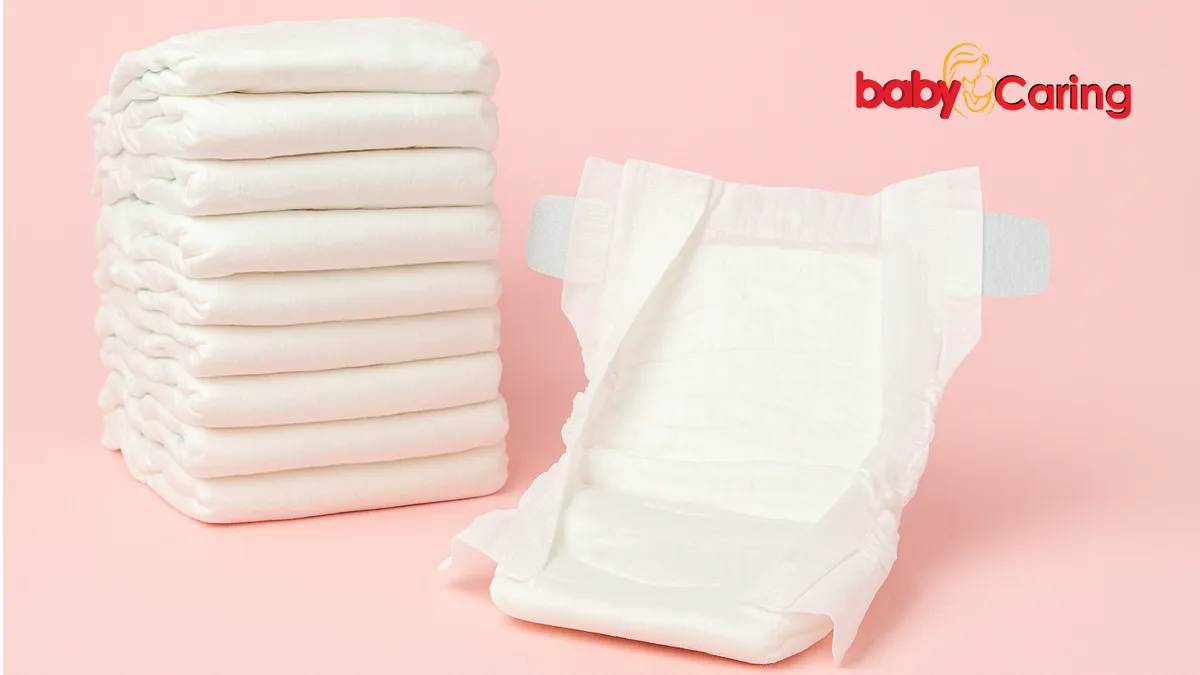
Choosing the best diapers for newborns can feel overwhelming. Shelves are packed with options, and every package promises leak-free nights and “cloud-soft” comfort. Yet your baby’s skin, your budget, and your values are all unique.
This guide breaks everything down in a clear, supportive way. We will walk through what matters most for newborn diaper health. Then we will explore seven amazing choices parents love, including sensitive, budget, and eco-friendly picks.
By the end, you will feel confident answering, “What are the best diapers for newborns for my family?” rather than just relying on advertisements or packaging claims. 💛
What Really Matters When Choosing Newborn Diapers
Every baby is different, but a few core factors matter for almost all families. When deciding on the best diapers for newborn, keep these in mind:
- Skin sensitivity and rash risk
- Fit and leak protection
- Umbilical cord comfort
- Absorbency for day and night
- Ingredients and fragrances
- Environmental impact
- Cost and availability
Pediatric groups, such as the American Academy of Pediatrics, stress that a “best” diaper is one that keeps skin dry, clean, and irritation-free. Comfort and frequent changes matter at least as much as brand name.
Let’s look at seven diaper styles and examples many parents swear by. Each one meets different needs while still protecting your newborn’s delicate skin.
1. Ultra-Soft Disposable Diapers for Sensitive Newborn Skin
Many parents start with disposable diapers used in hospitals, often Pampers Swaddlers or similar styles. These are popular for a reason.
Why parents love them 🩵
- Very soft, cotton-like feel against fragile skin
- Umbilical cord notch on newborn sizes
- Wetness indicator line that changes color
- Snug yet stretchy sides
Newborn skin is thinner and loses moisture quickly. A gentle, highly absorbent diaper helps protect against irritation. If your baby is full term and has typical skin, ultra-soft mainstream disposables are a safe, simple starting place.
Health-focused tips:
- Change every 2–3 hours, or as soon as wet or soiled.
- Use fragrance-free wipes or warm water and cotton pads.
- Let the area air dry for a short time between changes.
Real-life example:
Many parents share that their baby’s hospital diaper became their “default” choice at home. One mom noticed fewer blowouts and less redness with a soft, hospital-style diaper compared to a cheaper brand.
2. Diapers Designed for Sensitive Skin and Fewer Irritants
Some newborns react quickly to fragrances, lotions, or dyes in disposable diapers. You might see redness where the diaper touches skin or more frequent diaper rash.
If that sounds familiar, it can help to look for:
- “Fragrance-free” rather than simply “scent-free”
- No added lotions or aloe
- Hypoallergenic claims plus real parent reviews
- Minimal designs with fewer colored inks
Several mainstream brands now offer “pure,” “sensitive,” or “free and clear” lines. These often work well for babies prone to irritation.
Health-focused approach:
- Switch to a fragrance-free diaper for a week.
- Also use a gentle barrier cream with each change.
- If redness improves, you likely found a better match.
If your baby develops significant or persistent diaper rash, talk with your pediatrician. A resource like the diaper rash guide from Mayo Clinic can also help you recognize when a visit is needed.
3. Best Eco-Friendly Diapers for Newborns 🌱
Many families want to balance convenience with lower environmental impact. The best eco-friendly diapers for newborns try to reduce plastics, chemicals, or manufacturing emissions. They still aim for strong leak protection, because skin health comes first.
Eco-conscious disposables may feature:
- Plant-based top sheets touching your baby’s skin
- FSC-certified or sustainably sourced wood pulp
- No chlorine bleaching
- Fewer petroleum-based ingredients
- Fragrance-free, lotion-free designs
Brands like Bambo Nature, Eco by Naty, Dyper, and others often appear on lists of eco-friendly diapers. Real performance can vary by baby, so sample packs can help you test absorbency and fit.
Balanced perspective:
- Even “green” disposables still create waste.
- But they can reduce exposure to some chemicals.
- They may feel better aligned with your values.
For deeper background, see this overview of eco-friendly diapers and diaper materials from the Natural Resources Defense Council.
4. Best Cloth Diapers for Newborns (and How to Make Them Work)
If you prefer reusable options, you might ask, “What are the best cloth diapers for newborns that are actually manageable?” Cloth can feel intimidating, yet many families find a simple system that fits their routine. ♻️
Common newborn cloth setups:
- Prefolds + waterproof covers
- Fitted diapers + covers
- All-in-ones designed for tiny babies
Why parents choose cloth:
- Less trash in landfills
- Easy to avoid fragrances and lotions
- Can be more economical over time
- Very customizable fit and absorbency
Health and hygiene tips for cloth:
- Wash at least every 1–2 days.
- Pre-rinse soiled diapers in cool water.
- Use detergent free of fabric softeners and optical brighteners.
- Rinse well to avoid residue on baby’s skin.
Many parents start with a mix of cloth and disposables. For example, cloth at home during the day and disposable at night. This hybrid approach offers flexibility and protects sleep.
If you want more detail, trusted guides on cloth diapering basics can help you weigh pros and cons with a medical perspective.
Starter Cloth Diaper Checklist
For a full-time newborn cloth routine, many families like to have:
- 20–30 absorbent diapers (prefolds, fitteds, or all-in-ones)
- 6–8 waterproof covers (if using prefolds or fitteds)
- 2 large wet bags or pail liners
- 2–3 small wet bags for outings
This helps you keep up with laundry without stressing if a load is delayed.

5. Budget-Friendly Diapers That Still Protect Newborn Skin
Not every family can or wants to spend top dollar on diapers. Inflated costs do not always mean better performance. Many store-brand and value diapers work very well for newborns.
Signs a budget diaper is still a good choice:
- No strong perfume smell out of the package
- Soft inner lining instead of stiff plastic feel
- Secure leg cuffs and back elastic
- Minimal leaks when changed frequently
Skin health comes more from frequent changes than from premium price tags. A less expensive diaper, changed often, can be healthier than a pricey one left on too long.
Budget tips:
- Try a small pack of two or three different store brands.
- Track leaks, blowouts, and any redness for each brand.
- Stock up when you find one that fits your baby well.
Real-life example:
One parent used a premium brand for the first month, then switched to a store brand. With frequent changes, their baby’s skin stayed just as healthy, and the family saved money for other essentials.
6. Preemie and Small-Newborn Diapers for Tiny Babies
If your baby is premature or very small, regular newborn diapers may gape at the legs or waist. This can cause leaks and irritation. Preemie or “small newborn” sizes may provide a better fit.
Look for these features:
- Extra-small sizing starting around 1–3 kg (2–6 lb), depending on brand
- Soft, flexible material without scratchy edges
- Umbilical cord cutout that does not rub the stump
- Gentle yet secure elastic around the legs
For preterm babies, your neonatal team or pediatrician might have specific diaper recommendations. In the early weeks, follow their guidance closely.
At home, focus on:
- Very frequent checks for wet or soiled diapers
- Extremely gentle cleaning and pat-drying
- Avoiding tight clothing that presses on the diaper area
Many parents of preemies say that finding a well-fitting diaper reduced leaks and made early days less stressful. That comfort matters for both you and your baby. 💗
7. Extra-Absorbent and Overnight Diapers for Longer Stretches
Newborns usually need night changes, especially in the first month. But some babies sleep slightly longer stretches after a few weeks. Extra-absorbent diapers can help keep them comfortable.
Overnight or premium absorbency diapers may offer:
- Thicker cores that hold more liquid
- Stronger leg cuffs to prevent side leaks
- Snug, wide waistbands to reduce blowouts
- Soft linings that stay dry against skin
Health note:
Even with “overnight” diapers, avoid letting your baby sit in stool for long periods. Urine alone is less irritating than stool. Many parents still do one gentle night change if their baby poops.
To protect skin overnight:
- Use a zinc-oxide barrier cream before bed.
- Make sure the diaper fits well at the legs and back.
- Size up if your baby is near the weight limit and leaking.
Comparison Table: Diaper Types for Newborns
| Diaper Type | Best For | Main Pros | Watch-Outs |
|---|---|---|---|
| Soft disposable newborn | Most full-term newborns | Easy, very soft, good absorbency | More waste, cost over time |
| Sensitive-skin disposable | Babies with redness or rash | Fewer fragrances, gentle materials | Can be pricier than standard |
| Eco-friendly disposable | Families wanting greener options | Plant-based parts, reduced chemicals | Higher cost, performance varies |
| Cloth diapers | Parents focused on reusables | Less trash, customizable, economical long term | More laundry and planning |
| Budget disposables | Cost-conscious families | Lower price, often decent performance | May feel less soft, more trial and error |
| Preemie/small newborn diapers | Premature or tiny babies | Better fit, gentle on cord stump | Short period of use |
| Overnight / extra-absorbent | Longer sleep stretches | More absorbency, fewer leaks at night | Bulkier, more expensive per diaper |
How to Know You Have the Right Diaper for Your Baby
When parents ask, “What are the best diapers for newborns?” health professionals often answer, “The ones that fit well and keep skin healthy.” That sounds simple, yet it is very personal.
Signs your diaper choice is working well:
- Skin looks normal: no shiny, red, or broken areas
- Minimal leaks when you change regularly
- No deep marks from tight elastic after removal
- Your baby seems comfortable, not fussy, during or after changes
Signs you may want to switch diaper types or brands:
- Recurrent rashes, especially where the diaper touches skin
- Strong fragrance that bothers you or your baby
- Frequent blowouts, especially up the back or legs
- The diaper leaves deep, lasting marks on legs or waist
If a rash does not improve within a few days of switching diapers and using barrier cream, talk with your pediatrician. Persistent rashes sometimes involve yeast or other infections and need specific treatment.
Practical Diapering Tips to Protect Newborn Skin
No matter which brand you choose, good diapering habits protect your baby’s health.
Change early and often
- Change as soon as you notice stool.
- Aim for at least every 2–3 hours during the day.
Clean gently
- Use fragrance-free wipes or plain water on cotton pads.
- Pat dry; never scrub delicate skin.
Let skin breathe
- Allow a few diaper-free minutes on a towel daily.
- Air exposure helps moisture evaporate.
Use barrier creams wisely
- Choose zinc-oxide or petrolatum-based creams if skin looks irritated.
- Apply a thin layer at each change during rash episodes.
Watch for trouble signs
- Blistering, open sores, or pus
- Fever or extreme fussiness in addition to rash
Those signs mean you should call your baby’s doctor. Prompt care helps prevent infection and keeps your newborn comfortable.
FAQs: Best Diapers for Newborns
1. How many diapers does a newborn use per day?
Most newborns use 8–12 diapers a day. Some breastfed babies stool with almost every feed. Plan for frequent changes to keep skin dry and healthy.
2. Should I buy a lot of newborn-size diapers before birth?
It is safer to start with a few small packs. Babies outgrow newborn sizes quickly. Some skip newborn size entirely. Have one or two brands ready, then buy more once you know what fits best.
3. Are cloth diapers safe for newborns?
Yes, cloth diapers are safe when washed properly and changed often. They can be among the best cloth diapers for newborns if they fit well and do not leave deep marks. Good hygiene and thorough rinsing are essential.
4. Are eco-friendly diapers really better for my baby’s health?
The best eco-friendly diapers for newborns often avoid some fragrances and certain bleaching methods. That can help sensitive babies. However, “eco-friendly” does not guarantee fewer rashes. Fit, absorbency, and change frequency still matter most.
5. When should I switch from newborn diapers to size 1?
Switch when the diaper leaves deep red marks, leaks often, or the weight range is exceeded. Many babies move into size 1 within a few weeks, but timing varies widely.
6. Can I prevent all diaper rashes?
Some mild redness is almost unavoidable at times. But frequent changes, gentle cleaning, and barrier creams prevent most severe rashes. If rashes keep returning, try a different diaper type and consult your pediatrician.
So…What Are the Best Diapers for Newborns for Your Family?
There is no single brand that fits every baby. The best diapers for newborns are the ones that:
- Keep your baby’s skin healthy and comfortable
- Fit their unique body shape and size
- Align with your budget and values
- Allow you to change them as often as needed
For some families, that means soft, hospital-style disposables. For others, it may be the best cloth diapers for newborns used at home, plus a few eco-friendly disposables for outings. Still others find their match in budget store brands that simply get the job done.
You do not need to find the “perfect” diaper on day one. Start with one or two options. Watch your baby’s skin, sleep, and comfort. Adjust as you learn what works.
Parenting a newborn is demanding, and diapers are only one piece of the picture. Yet when you find a diaper that protects your baby’s skin and eases your stress, daily life feels a little lighter. 🌈
Trust yourself, lean on evidence-based resources, and remember: you know your baby best. With a bit of trial and observation, you will quickly discover the best diapers for newborns that truly support your child’s health and your family’s peace of mind.

About the Author



1 thought on “Best Diapers for Newborns: 7 Amazing Choices Parents Absolutely Love”