
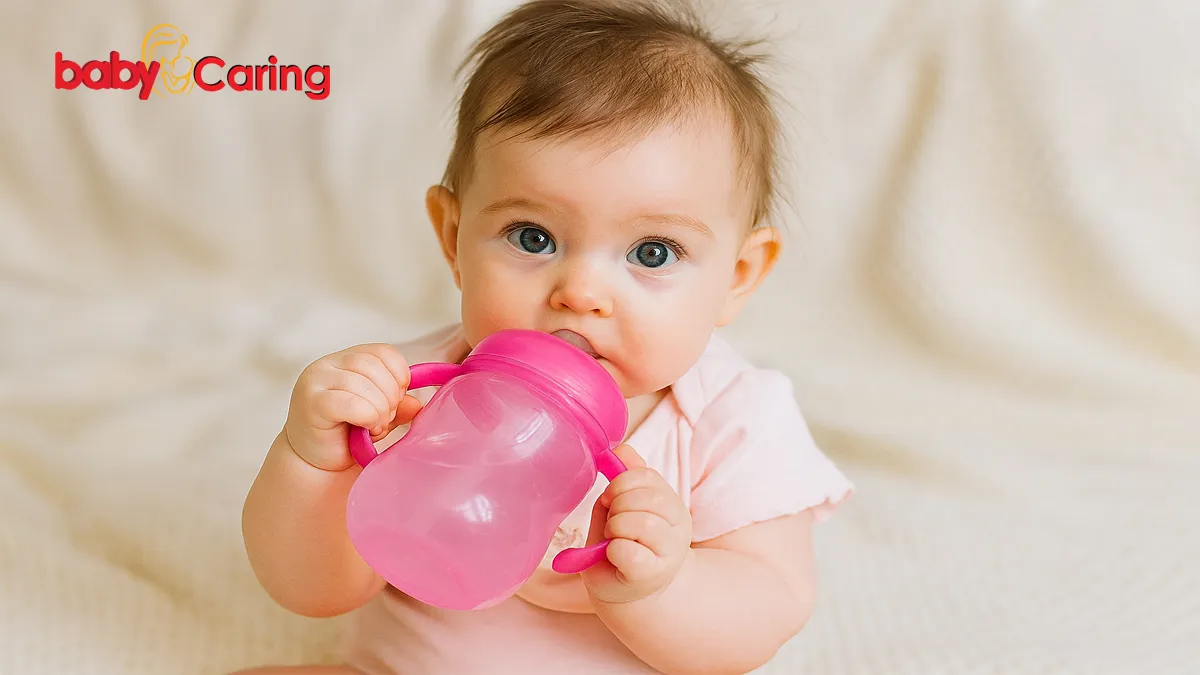
Choosing the best sippy cup for baby can feel surprisingly overwhelming.
There are soft spouts, hard spouts, straw cups, 360 cups, and tiny open cups. Some promise “no spill,” others focus on teeth or speech. And meanwhile, you just want your baby to drink safely, happily, and with less mess. 💧
This guide breaks down what actually matters for your child’s health and development.
We will look at the best sippy cup for baby 6 months, great options for little ones who refuse the bottle, and the best sippy cup for baby no spill when you are on the go.
Each of the 7 options below is based on pediatric advice, dental health concerns, and real parent experiences. By the end, you will feel confident picking the cup that fits your baby and your lifestyle.
What Really Matters When Choosing a Sippy Cup
Before we dive into the 7 favorites, it helps to understand a few key facts. These points will help you choose the best sippy cup for baby, not just the trendiest option.
1. Developmental Readiness Comes First
Babies are usually ready to start practicing with a cup around 6 months. This is why many parents search for the “best sippy cup for baby 6 months.”
Signs your baby may be ready include:
- Sitting with support
- Bringing objects to their mouth
- Showing interest when others drink
The American Academy of Pediatrics suggests starting cup practice around this age while still offering breast or bottle feeds. Think of it as skill-building, not replacing full feeds right away.
2. Mouth and Speech Development Matter
Not all “sippy cups” are equal for your child’s mouth and speech. Long-term use of hard spouts can encourage a bottle-like sucking pattern. This may affect dental alignment and tongue movement.
Health professionals often favor:
- Open cups
- Straw cups
- 360 rim cups
These cups promote more mature drinking patterns. They help the tongue and jaw move in a way that supports speech and chewing skills.
3. Avoid All-Day Grazing on Drinks
Even the best sippy cup for baby can cause problems if used all day with sugary drinks. Frequent sipping on juice, flavored milk, or sweetened beverages increases the risk of cavities.
Keep in mind:
- Offer water between meals.
- Save milk and breast milk for meal and snack times.
- Avoid juice before age 1, unless directed by your doctor.
The Centers for Disease Control and Prevention offers clear guidance about healthy drink habits in infancy and toddlerhood.
4. Safety and Materials
When comparing cups, consider:
- BPA-free materials
- Easy-to-clean parts
- Minimal tiny crevices that can trap milk
Complex valves can hide mold if not cleaned carefully. This is important when choosing the best sippy cup for baby no spill, since these often use more parts and seals.
At a Glance: Comparing 7 Favorite Sippy Cup Types
Here is a quick comparison of the seven cup types covered in this guide. These are not specific brand recommendations, but “styles” you will see across many brands.
| Cup Type | Ideal Age Range* | Spill Resistance | Main Skill Supported | Best For |
|---|---|---|---|---|
| 1. Soft Spout Transition Cup | 6–12 months | High | Bottle-to-cup transition | First cup, sensitive gums |
| 2. 360 Rim Cup | 9–24+ months | High | Lip control, “real cup” skills | Spill control and development |
| 3. Small Open Training Cup | 6–18 months | Low | Oral motor, hand control | Home practice, therapist favorite |
| 4. Weighted Straw Cup | 6–24+ months | Medium–High | Suck–swallow coordination | Baby who refuses bottle |
| 5. No-Spill Travel Cup | 9–24+ months | Very High | Independent drinking on the go | Car seat, diaper bag |
| 6. Stainless Steel Straw Cup | 9–36+ months | High | Hydration, temperature control | Active toddlers, outdoors |
| 7. Hybrid Bottle-to-Cup System | 6–18 months | High | Gradual transition, flexibility | Stubborn bottle lovers |
*Age ranges are general guidelines. Always follow your pediatrician’s advice and observe your baby’s cues. 🌱
7 Ultimate Sippy Cup Choices Moms Absolutely Love
Now let’s look at each option in more detail, with real-world pros, cons, and health notes. This is where you will likely spot the best sippy cup for baby in your family.
1. Soft Spout Transition Cup – Gentle First Step 🍼
For many families, a soft spout transition cup becomes the best sippy cup for baby 6 months. It feels familiar, yet starts shifting away from a pure bottle.
Key features:
- Soft silicone spout that is gentle on gums
- Handles that help baby grip with both hands
- Often includes a valve to prevent spills
Why moms love it:
- Very comforting for breastfed or bottle-fed babies
- Easy to accept because the spout feels like a nipple
- Helps baby learn to tip the cup and control flow
Health notes:
- Use as a short-term transition tool, not a long-term crutch.
- Gradually introduce other cup styles as baby gains confidence.
Example: A mom of a 7‑month‑old might offer breastmilk in a soft spout cup once a day. Over a few weeks, baby accepts more feeds this way and starts holding the cup independently. 💕
2. 360 Rim Cup – “Big Kid” Skills With Less Mess
The 360 rim cup is a favorite among pediatric dentists. It allows your baby to drink from any edge of the cup by pressing their lips against the rim.
Key features:
- No traditional spout
- Liquid flows only when lips press on the rim
- Usually has a silicone seal that prevents spills
Why it is often the best sippy cup for baby no spill:
- Drinks stay inside even when the cup drops or flips
- Encourages a more natural drinking motion, like a real cup
- Good for protecting teeth if not used with sugary drinks
Health notes:
- Promotes lip closure and jaw control.
- Avoid letting your child walk around all day with it, especially with milk or juice.
Many parents keep a 360 cup in the diaper bag. It feels like a “grown‑up cup” to toddlers, which can reduce tantrums at restaurants. 😄
3. Small Open Training Cup – Therapist Favorite
Open training cups are widely praised by speech therapists and occupational therapists. They may look intimidating at first, yet they support excellent oral development.
Key features:
- Very small size to limit spills
- Lightweight, often with a textured outside for grip
- No valves, spouts, or straws
Why moms who value development love it:
- Encourages proper tongue placement and lip control
- Builds hand–eye coordination and wrist strength
- Helps baby learn pacing, since they must tip the cup
Health notes:
- Great option from 6 months, especially when supervised.
- Best used at home in a highchair, where spills are easy to manage.
Example: A parent may use an open cup at breakfast and dinner. At the same time, they keep a straw or 360 cup for outings. This balances skill building with practicality.
4. Weighted Straw Cup – Lifesaver for Bottle Refusers 🧃
If you are searching for the best sippy cup for baby who refuses bottle, a weighted straw cup often shines. It lets baby drink while the cup is upright, tilted, or even upside down.
Key features:
- Soft or silicone straw attached to a weighted base
- Works from many angles, so baby does not have to tip the cup
- Often has a flip-top lid to keep the straw clean
Why this can be the best sippy cup for baby who refuses bottle:
- Uses a sucking motion similar to breastfeeding, but on a straw
- Some babies accept a straw more easily than a bottle nipple
- Encourages forward tongue movement and lip closure
Health notes:
- Straw drinking supports a more mature swallowing pattern.
- Watch for mold in the straw; clean and dry thoroughly between uses.
Real-life example: A 9‑month‑old refuses every bottle at daycare. Caregivers offer breastmilk in a weighted straw cup instead. Within a few days, the baby learns to sip through the straw and finally stays hydrated during the day. Relief for everyone. 💗
5. No-Spill Travel Cup – Car Seat and Diaper Bag Hero 🚗
There are days when you simply cannot handle another soaked car seat or diaper bag. This is where a dedicated no‑spill travel cup becomes the best sippy cup for baby in your eyes.
Key features:
- Strongly sealed valves to prevent drips and leaks
- Often a hard spout or firm straw
- Durable design that survives drops and tossing
Why moms depend on it:
- Ideal for use in the car, stroller, or plane
- Helps protect your own bag and baby’s clothes
- Encourages independence, since babies can hold and tilt it freely
Health notes:
- Hard spouts are fine for short-term use, especially for travel.
- Rotate with straw or open cups when at home to support development.
If you need the best sippy cup for baby no spill, look for one labeled truly leak‑proof. Still, test it at home before trusting it with your favorite handbag. 😉
6. Stainless Steel Straw Cup – Long-Term Hydration Partner
As your baby becomes a toddler, you may want a sturdier, longer-lasting option. Stainless steel straw cups work beautifully here.
Key features:
- Insulated walls to keep water cool
- Durable, dent-resistant material
- Integrated straw and often a locking or flip-top lid
Why many parents see this as the best sippy cup for baby beyond 1 year:
- Keeps drinks at a safe, pleasant temperature, helpful in hot weather
- Easy to transition from infancy through preschool years
- Less plastic exposure, which some families prefer
Health notes:
- Encourage mostly water in these cups.
- Milk can be used, but clean thoroughly due to temperature and bacteria growth risk.
Guidance from resources like Mayo Clinic sippy cup guidance reminds parents to limit sugary drinks and continuous sipping, even in “healthy” cups.
7. Hybrid Bottle-to-Cup System – Gentle Transition for Stubborn Babies
Some babies are very attached to their bottles. In that case, a hybrid system can be the best sippy cup for baby who refuses bottle and standard cups alike.
Key features:
- Interchangeable tops: nipple, soft spout, straw, or 360 rim
- Same bottle base, different lids as baby grows
- One familiar feel in baby’s hands throughout the transition
Why moms appreciate it:
- Reduces the cost of constantly changing cup types
- Baby adjusts to new tops while feeling secure with the same bottle base
- Great choice for gradual change or sensitive babies
Health notes:
- Transition through stages instead of staying on a bottle-style nipple.
- Aim to fully move away from bottle nipples by about 12–18 months, as many experts recommend.
The World Health Organization infant feeding recommendations emphasize cup use as part of normal development in late infancy and toddlerhood. Hybrid systems can help make that shift smoother.
How to Match the Right Cup to Your Baby’s Needs
You now know the main types. Let’s connect them to common real-life situations so you can identify the best sippy cup for baby in your home.
If Your Baby Is Around 6 Months
Look for:
- Soft spout transition cups
- Small open training cups
- Lightweight straw cups labeled safe from 6 months
Why:
- Baby is just starting solids and new textures.
- They are learning to coordinate swallowing with different flows.
In this stage, your “best sippy cup for baby 6 months” should be gentle, small, and forgiving. Focus on practice, not volume. Breast or bottle feeds still provide most of the nutrition.
If Your Baby Refuses the Bottle
Consider:
- Weighted straw cup (often the top choice)
- Soft spout cup that feels similar to breastfeeding
- Hybrid systems that let you experiment with different tops
Tips:
- Offer breastmilk or formula in the cup at first.
- Stay calm; your baby will sense your stress.
- Try when baby is content, not starving or exhausted.
Many families discover their best sippy cup for baby who refuses bottle by accident. One day, their child simply chooses the straw or 360 cup over yet another bottle attempt.
If Spills Are Driving You Crazy
Aim for:
- 360 rim cup
- Dedicated no-spill travel cup
- Well-sealed straw cups with flip lids
Strategy:
- Use no-spill designs in the car, stroller, and on the sofa.
- Allow more open or straw practice at the table, where cleanup is easy.
This way you balance sanity with development. You enjoy the best sippy cup for baby no spill when you need it most, without giving up on open-cup skills long term.
Practical Tips for a Smooth Sippy Cup Transition
A great cup helps, but your approach matters just as much. Here are gentle strategies you can use with any of the seven options.
Start Slowly and Keep Things Positive
- Offer the new cup once or twice a day.
- Use small amounts of breastmilk, formula, or water.
- Praise attempts, even if most of the drink ends on the tray. 😅
Avoid pressure. Babies learn quickly when they feel safe and unhurried.
Model the Behavior
Babies love to copy. Sit facing your child and:
- Hold your own cup
- Take visible sips
- Smile and show enjoyment
Your baby will likely reach for their own cup and attempt to do the same.
Focus on Positioning
For safe swallowing:
- Sit baby upright in a highchair or your lap
- Keep their head midline, not tilted back
- Hold the cup for them at first if needed
Good positioning helps prevent coughing and supports healthy swallowing patterns.
Know When to Ask for Help
Contact your pediatrician or a feeding specialist if:
- Your baby coughs or chokes often when drinking
- They refuse all liquids except nursing
- You notice significant weight loss or dehydration signs
Feeding is complex. Getting professional help is a smart, caring step.
Frequently Asked Questions About Sippy Cups
1. When should I introduce a sippy cup?
Many babies can start practicing around 6 months. Begin with tiny amounts of water or breastmilk in a small cup. Keep breast or bottle feeds as the main source of nutrition at first.
2. Which is the best sippy cup for baby 6 months?
A soft spout transition cup, open training cup, or straw cup labeled for 6 months can work well. The “best” choice depends on your baby’s preferences and your comfort with spills.
3. Are sippy cups bad for teeth?
Sippy cups themselves are not harmful when used wisely. Problems arise when children sip sugary drinks all day. Limit juice, serve milk at meals, and offer plain water in between to protect teeth.
4. What is the best sippy cup for baby who refuses bottle?
Many parents find a weighted straw cup successful. It mimics a sucking pattern, yet feels different from a bottle. Hybrid systems and soft spout cups can also help, especially during transitions.
5. Do I really need a “no spill” sippy cup?
Not always, but it helps in certain situations. A no‑spill design is useful in the car, stroller, or at bedtime reading. At home during meals, more open formats can support better skills.
6. When should my child stop using sippy cups?
Most experts suggest transitioning toward open and straw cups during the toddler years. Many families phase out spouted cups between 18 months and 3 years, depending on development.
Conclusion: Choosing the Best Sippy Cup for Baby With Confidence
The best sippy cup for baby is the one that matches your child’s stage, supports healthy development, and fits your real life. For one family, that might be a soft spout cup at 6 months and a 360 cup later. For another, the star may be a weighted straw cup that finally works for a bottle-refusing baby.
To recap the seven ultimate choices moms love:
- Soft spout transition cup – gentle first step
- 360 rim cup – “big kid” feel, fewer spills
- Small open training cup – development powerhouse
- Weighted straw cup – hero for bottle refusers
- No-spill travel cup – sanity saver on the go
- Stainless steel straw cup – long-term hydration partner
- Hybrid bottle-to-cup system – flexible for sensitive babies
Trust your instincts. Combine expert advice, like that from the American Academy of Pediatrics and similar sources, with your daily experience. As you experiment, you will discover your own best sippy cup for baby, and your child will gain skills that support a lifetime of healthy hydration. 🌈
When you are ready, choose one style that feels right and start offering it gently. Small, consistent practice turns into confident sipping faster than you might think.

About the Author



1 thought on “Best Sippy Cup for Baby: 7 Ultimate Choices Moms Absolutely Love”