

Many people talk about breastfeeding benefits for babies, but your health matters just as much. 💕
Whether you are pregnant, newly postpartum, or already nursing, it is normal to ask:
- Will this help me feel better, not just my baby?
- Is breastfeeding worth the effort and learning curve?
- How does it affect my body, mood, and daily life?
Research shows there are meaningful benefits of breastfeeding for mom, not only for her child. These advantages touch your physical health, emotional balance, and sense of confidence as a parent.
You do not need a “perfect” journey to experience benefits for breastfeeding. Every feed counts. Every day you continue is a real achievement. If you choose not to breastfeed or cannot, you still deserve full compassion and support. ❤️
Let’s explore seven powerful, science-backed reasons many mothers say they feel happier and healthier when breastfeeding.
1. Breastfeeding Strengthens Emotional Bonding and Connection 🤱
Holding your baby close during feeds naturally supports bonding. This closeness can feel deeply calming for many mothers.
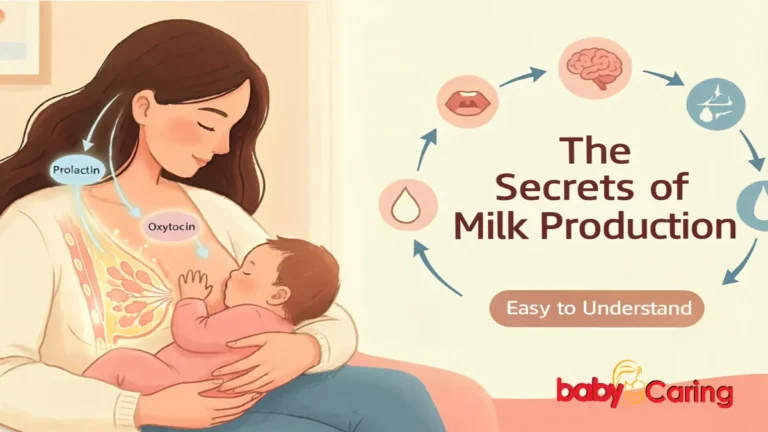
During breastfeeding, your body releases oxytocin. This hormone is often called the “love hormone.” It helps you:
- Feel more connected with your baby
- Relax during and after feeds
- Gain a sense of warmth and attachment
This bonding is one of the most cherished benefits of breastfeeding for mom.
Short example:
Sara, a first-time mother, felt overwhelmed by constant crying. She noticed that when she settled into a calm position, focused on skin-to-skin contact, and nursed, both she and her baby relaxed. Over time, feeds became a quiet ritual that grounded her day.
You can support this emotional connection by:
- Trying skin-to-skin contact during feeds
- Reducing distractions when possible (silencing your phone, dimming lights)
- Looking at your baby’s face and cues instead of a screen
While bonding can happen in many ways, breastfeeding often gives built-in moments of closeness. That is a powerful benefit breastfeeding to mother, especially during the intense newborn stage.
2. Breastfeeding Supports Faster Postpartum Recovery 🩺
Another important area of breastfeeding benefits involves healing after birth. Your body has just done something huge. It needs time and support to recover.
Breastfeeding helps your uterus shrink back to its pre-pregnancy size more quickly. Oxytocin causes gentle uterine contractions, which can:
- Reduce postpartum bleeding sooner
- Lower the risk of some types of heavy bleeding
- Support a faster return to your pre-pregnancy uterine size
Many mothers notice stronger cramps when nursing in the first few days. These cramps can feel uncomfortable but are usually a sign that healing is progressing.
Other recovery-related benefits of breastfeeding for mom may include:
- Helping your body use stored fat for milk production
- Supporting gradual weight changes over time
- Encouraging rest periods while you sit or lie down to feed
Remember, weight and body shape vary widely. Breastfeeding is not a quick “solution” for body changes. Instead, it is one helpful factor in a larger recovery picture that also includes nutrition, sleep, movement, and emotional support.
For more detailed medical guidance on postpartum recovery and infant feeding, you can explore resources from the Centers for Disease Control and Prevention.
3. Breastfeeding Lowers Long-Term Health Risks for Mothers 💪
Some of the most important breastfeeding benefits show up years later. Large studies have found that women who breastfeed have a lower risk of certain diseases.
Research from organizations such as the World Health Organization and major medical groups links breastfeeding to reduced risks of:
- Breast cancer
- Ovarian cancer
- Type 2 diabetes
- High blood pressure
- Heart disease
These benefits do not require a specific “perfect” duration. In general, the longer a woman breastfeeds across her lifetime, the greater the protective effect appears. But any amount can help.
Here is a simple overview:
| Health Area | How Breastfeeding Helps Mom | When You May Notice |
|---|---|---|
| Breast and ovarian cancer | Breast tissue changes and hormone patterns may lower cancer risk. | Benefits appear over many years. |
| Type 2 diabetes | Improves how the body uses insulin and manages blood sugar. | Helps over the long term, especially after gestational diabetes. |
| Heart health | Supports healthier blood pressure and metabolism in many women. | Long-term benefit, not always noticeable day to day. |
| Postpartum weight changes | Milk production uses energy, which can affect weight over time. | Often gradual, varies widely by individual. |
These are some of the clearest benefits of breastfeeding for mom from a medical perspective. They remind us that your health matters not only now, but many years into the future.
4. Breastfeeding Can Support Mood and Reduce Stress 🌿
Postpartum is an emotionally intense time. Sleep disruption, physical healing, new responsibilities, and hormonal shifts can feel overwhelming.
While breastfeeding is not a cure for depression or anxiety, it can support emotional health for many women. During feeds, your body releases:
- Oxytocin, which encourages calm and bonding
- Prolactin, which may enhance feelings of relaxation
Together, these hormones can help some mothers feel more peaceful or grounded. This is one reason many women describe “breastfeeding benefits” as including emotional steadiness.
However, experiences differ. Some mothers feel anxious or sad when their milk lets down. If you notice this pattern, you may be experiencing something called dysphoric milk ejection reflex (D-MER). It is real and deserves attention and care.
If you are struggling with mood, please reach out to:
- Your midwife, obstetrician, or family doctor
- A mental health professional with perinatal training
- A lactation consultant who understands emotional health
The Office on Women’s Health provides information on postpartum depression and anxiety, including when to seek help. You never have to face this alone. 💗
Short example:
Mia had a history of anxiety. She noticed that her panic symptoms sometimes eased after calm, unhurried feeds. When she combined breastfeeding with therapy and gentle exercise, she felt more supported and stable.
5. Breastfeeding Brings Practical Ease, Confidence, and Everyday Comfort 🧺
Beyond medical benefits, breastfeeding often simplifies daily life in meaningful ways. Many mothers describe these practical advantages as some of the most noticeable benefits for breastfeeding.
With breastfeeding:
- Milk is always ready, at the right temperature
- There are no bottles to prepare at night (unless pumping)
- You can feed on demand without extra equipment, especially at home
This convenience can ease daily stress and help you feel more confident as you respond to your baby’s needs. Confidence itself is a key part of feeling happier and healthier.
Financially, breastfeeding can also reduce costs for many families. Formula, bottles, and supplies add up. While breastfeeding may involve expenses like nursing bras or pump accessories, overall costs are often lower.
These practical benefits of breastfeeding for mom can show up in:
- Easier night feeds, especially when room-sharing safely
- Less planning when leaving the house for short trips
- A greater sense of “I can do this” as you learn your baby’s cues
Every family situation is different. Some mothers find pumping, combination feeding, or exclusive formula feeding fits their life better. But when breastfeeding works for you, everyday comfort is an important and often underrated gain. 😊
For further everyday tips and troubleshooting, many parents find guidance through La Leche League International, a long-standing breastfeeding support organization.
6. Breastfeeding Encourages Rest, Mindful Breaks, and Body Awareness 😌
Modern life often pushes mothers to “bounce back” quickly. That pressure can feel harsh and unrealistic. Breastfeeding reminds you to pause, sit, and be present with your baby.
Each nursing session can become:
- A built-in break from chores and screens
- A chance to check in with your body and breath
- A moment to hydrate, snack, and gently stretch afterward
These small, repeated pauses can support your nervous system and stress levels. Over time, many women notice they become more aware of their own needs: hunger, thirst, fatigue, and emotion.
That growing self-awareness is a quiet but meaningful benefit breastfeeding to mother. It can encourage healthier boundaries and self-care habits, such as:
- Saying “no” to extra tasks when you are exhausted
- Asking a partner or friend to handle housework during feeds
- Building small rituals, like deep breathing or soft music, around nursing time
Short example:
Ana started playing calming music during evening feeds. She dimmed the lights, lit a safe, unscented candle away from baby, and treated nursing as her nightly reset. Those 20 minutes became the most peaceful part of her day.
While this may sound simple, these mindful breaks can add up. They help many mothers feel less rushed, more centered, and more in tune with their bodies.
7. Breastfeeding Builds Community and a Sense of Shared Experience 👭
Motherhood can be lonely, even when surrounded by people. Breastfeeding often connects women to new communities, both online and in person.
When you seek help or share your story, you may find:
- Local breastfeeding support groups
- Online communities with mothers in similar situations
- Lactation consultants and peer counselors who truly listen
Feeling understood and supported is a powerful mental health resource. You realize your struggles are not personal failures; they are common challenges.
These social connections are another set of benefits of breastfeeding for mom. They can lead to:
- Friendships that last beyond the breastfeeding months
- Shared tips on sleep, baby development, and self-care
- A stronger sense of belonging during a vulnerable time
Breastfeeding journeys can include:
- Exclusive breastfeeding
- Pumping and bottle-feeding
- Combination feeding with formula
- Transitioning away from breastfeeding
Each path still deserves understanding and respect. The key is that you feel supported, not judged.
Trustworthy organizations such as the American Academy of Pediatrics offer guidance that you and your health team can use together. Bringing reputable information to your pediatric appointments can empower joint decision-making.
Quick Overview: How Breastfeeding Benefits Moms
Here is a brief summary of some core breastfeeding benefits for mothers:
- Emotional bonding and closeness with baby
- Faster postpartum recovery and uterine healing
- Lower long-term risk of certain diseases
- Hormonal support for relaxation and stress relief
- Everyday convenience and cost savings
- Built-in rest periods and self-awareness
- Stronger social support and shared experiences
You do not need to experience every benefit to “qualify.” Even one or two of these can make a meaningful difference in your wellbeing. 💞
Frequently Asked Questions About Breastfeeding and Maternal Health
1. How long do I need to breastfeed to see benefits for myself?
Any breastfeeding, even for a short time, can offer some benefits. Many health organizations encourage exclusive breastfeeding for about six months, then continued breastfeeding with solids for a year or more, as desired by mother and baby. However, your situation, health, and preferences matter. Every week and month counts.
2. What if breastfeeding is painful or stressful for me?
Pain is a signal that something needs attention, not a sign you are failing. Common causes include latch issues, tongue-tie, engorgement, or infection. A lactation consultant, midwife, or doctor can help. If breastfeeding causes severe stress or worsens your mental health, it is important to talk with your care team. Your wellbeing is essential.
3. Can I still get health benefits if I mostly pump or combination feed?
Yes. Many benefits come from your body making and releasing milk, not only from nursing at the breast. Pumping, mixed feeding, and partial breastfeeding can still support your health. The exact impact depends on factors like how often you express milk and for how long. But there is no “all or nothing” rule.
4. Does breastfeeding guarantee I will not get breast cancer or other diseases?
No. Breastfeeding reduces risk, but it does not remove it. Many women who breastfeed still develop health conditions, and many who do not remain very healthy. Think of breastfeeding as one protective factor among many, like not smoking, staying active, and seeing your doctor regularly.
5. Is it normal to have mixed feelings about breastfeeding?
Absolutely. You can love the closeness and still dislike cluster feeds. You can value the benefits and still feel touched out. Mixed feelings do not mean you are ungrateful or doing something wrong. They mean you are human. Sharing these feelings with trusted people can lighten the emotional load.
6. Where can I find trustworthy information about breastfeeding and my health?
Reliable sources include your healthcare team and reputable organizations such as the Mayo Clinic, the World Health Organization, and national public health agencies. Be cautious with social media groups that give medical advice without qualifications. Use them for support, not as your only source of information.
Conclusion: Your Health Matters in Every Feeding Choice 💗
Breastfeeding is not just about your baby’s nutrition. The many breastfeeding benefits also touch your body, mind, and daily life. From emotional bonding and faster healing, to long-term disease protection and community, these benefits of breastfeeding for mom are real and well documented.
At the same time, every journey is unique. Some mothers find breastfeeding joyful and natural. Others face pain, low supply, or emotional strain. Many experience a mix of ease and difficulty at different stages.
Here are a few final reminders as you consider the benefits for breastfeeding in your own life:
- You deserve support, whatever feeding method you choose.
- It is okay to seek help early and often.
- Your comfort, safety, and mental health are essential, not optional.
If you decide to continue, adjust, or stop breastfeeding, you are still a loving, dedicated parent. Your worth does not depend on how you feed your baby.
As you move forward, you might:
- Talk with a lactation consultant about specific challenges
- Share this information with a partner or close friend
- Bring questions to your health provider, along with trusted resources
Whatever your path, remember this: your wellbeing matters. Nourishing yourself is just as important as nourishing your baby. And that may be the most meaningful of all breastfeeding benefits. 🌷
Additional Frequently Asked Questions About Breastfeeding Benefits for Moms
1. What are the main breastfeeding benefits for a mother’s health?
Breastfeeding can support faster postpartum recovery, reduce bleeding, and help the uterus shrink. Over time, it is linked with a lower risk of breast cancer, ovarian cancer, type 2 diabetes, and heart disease. Many mothers also report better bonding, more confidence, and lower stress levels.
2. Do I still get benefits of breastfeeding if I only nurse for a few weeks?
Yes. Even a few days or weeks of breastfeeding can support bonding, help your uterus contract, and provide immune protection for your baby. Longer breastfeeding brings more long-term benefits for breastfeeding, but every amount still matters and is worthwhile.
3. Are the benefits of breastfeeding for mom the same after a C-section?
Most benefits apply whether you deliver vaginally or by cesarean. Breastfeeding after a C-section can still help your uterus contract and may support pain management through increased oxytocin. You may need extra positioning support and pillows to protect your incision while feeding.
4. Can breastfeeding help with postpartum weight changes?
Breastfeeding uses extra energy to produce milk, which may support gradual weight loss in some women. However, results vary. Genetics, sleep, stress, nutrition, and activity also play big roles. The benefit breastfeeding to mother is less about rapid weight loss and more about gentle, long-term support for metabolism and recovery.
5. What if I take medication—do I lose the health benefits of breastfeeding?
Many medications are compatible with breastfeeding, and you can still gain breastfeeding benefits while taking them. Always talk with your doctor, midwife, or a pharmacist who understands lactation before starting or stopping any medication. They can help weigh your health needs and your feeding goals together.
6. Does extended breastfeeding (beyond 1 year) still benefit mothers?
Yes. Ongoing breastfeeding can continue to support bonding, comfort, and convenience for both mother and child. The protective effects against certain diseases may also increase with longer total breastfeeding time. As long as it feels right for you and your child, extended breastfeeding is a valid and healthy choice.
7. How can my partner support the benefits of breastfeeding for mom?
Partners can support by handling household tasks, caring for older children, and bringing drinks or snacks during feeds. They can also help with burping, diaper changes, and skin-to-skin contact. Emotional support—listening, encouraging, and advocating for your needs—helps you feel safer, more rested, and more able to enjoy the benefits of breastfeeding.
8. What should I do if I want the benefits of breastfeeding but feel overwhelmed?
Start by getting help, not by trying to push through alone. A lactation consultant, your healthcare provider, and local support groups can offer practical solutions. You can also adjust your feeding plan—such as combination feeding—to protect both your health and your baby’s needs. Your wellbeing is part of the breastfeeding benefits, not a trade-off. 💗

About the Author



4 thoughts on “Breastfeeding Benefits: 7 Powerful Reasons Moms Feel Happier and Healthier”