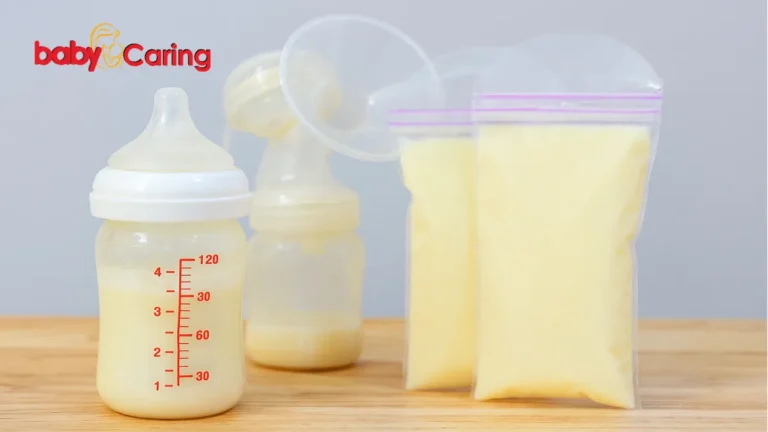

Breastfeeding Gadgets: 10 Must‑Have Items for a Happy Mom & Child
The early days of feeding your baby can feel beautiful, emotional, and honestly… a little overwhelming. You may be recovering from birth, adjusting to sleepless nights, and trying to figure out latching, milk supply, and a brand-new routine. In the middle of all that, choosing the right breastfeeding gadgets can make your daily life much easier and more comfortable.
The good news: you don’t need every product you see online. The goal isn’t to buy a bunch of stuff. The goal is to find a few smart tools that support your body, protect your energy, and help your baby feed well.
Think of these items as helpful teammates. They can:
- Save you time and reduce stress
- Protect your nipples and breast health
- Support better latching and positioning
- Make pumping and storing milk simpler
- Give partners and caregivers an easier way to help
In this guide, we’ll walk through 10 practical, mom-tested items that can truly make a difference. Each section explains what the item is, why it helps, and how to decide if it’s right for you.
1. Double Electric Breast Pump: Efficient Feeding Support
For many families, a double electric breast pump becomes one of the most important nursing tools, especially if you plan to return to work, pump regularly, or build a freezer stash.
What It Is
A double electric breast pump uses a small motor to create suction and express milk from both breasts at the same time. It’s faster and usually more efficient than a manual pump or single-sided pumping.
Why It Helps Mom
- Saves time: Pumping both breasts together cuts session time in half.
- Supports milk supply: Regular, efficient emptying can help maintain or increase supply.
- Flexible schedule: Lets you store milk so you’re not the only one who can feed the baby.
- Work-friendly: Essential for many parents who pump during office hours or while traveling.
Why It Helps Baby
- More consistent access to breast milk, even when mom is away
- Helps ensure baby gets enough volume, especially if they are sleepy or slow nursers at the breast
Example: A mom returning to work at 12 weeks might use her pump during lunch breaks and mid-afternoon, keeping a steady milk supply while her baby stays on breast milk at daycare.
Tips for Choosing
- Look for closed-system pumps (more hygienic and easier to share if allowed by guidelines).
- Check if your insurance covers all or part of the cost.
- Consider portability: some pumps are small, quiet, and battery-powered for easy pumping on the go.
2. Wearable Hands-Free Pump: Freedom and Mobility
Wearable pumps are a game changer if you want to pump without being tied to a wall outlet or big machine.
What It Is
A wearable hands-free pump fits inside your nursing bra. Instead of external bottles and tubing, the milk collects in a hidden container within the pump itself.
Why It Helps Mom
- Hands-free: You can move around, eat, work on your laptop, or play with older kids while pumping.
- Discreet: Many models are quiet and can be worn under clothing.
- Flexible location: Pump at your desk, in the car (safely parked), or while walking around the house.
Why It Helps Baby
- More opportunities for mom to pump means a steadier supply of expressed milk.
- Less stress for mom often translates into a calmer feeding environment for baby.
Example: While on a conference call with her camera off, a mom might use a wearable pump to express milk without interrupting her workday.
Things to Consider
- Check capacity: some wearable pumps hold less milk than traditional pumps.
- Read reviews about comfort and suction strength.
- Make sure parts are easy to clean and replace.
3. Silicone Milk Collector: Passive Milk Saver
Many moms are surprised by how much milk is lost in nursing pads or shirts during letdown. A simple silicone milk collector can turn that “wasted” milk into extra bottles or freezer stash.
What It Is
A silicone milk collector is a soft, one-piece device that gently suctions onto your breast to catch milk. You can use it while baby nurses on the other side or when you feel a letdown.
Why It Helps Mom
- Effortless extra milk: Collects milk without active pumping.
- Saves money: Reduces the need for formula supplementation in some cases.
- Simple travel option: No cords, motors, or noise.
Why It Helps Baby
- Extra stored milk for times when baby is with another caregiver
- Helpful during growth spurts when baby suddenly needs more milk
Example: While baby nurses on the right breast, the collector on the left might gather 1–3 ounces of milk that might otherwise soak into a nursing pad.
Quick Comparison: Popular Pumping Options
When you compare different breastfeeding gadgets for expressing milk, it helps to see the pros and cons side by side. Here is a simple overview:
| Gadget | Best For | Pros | Considerations |
|---|---|---|---|
| Double Electric Pump | Working moms, exclusive pumpers | Fast, efficient, strong suction | Needs power source, more parts to clean |
| Wearable Hands-Free Pump | Busy days, multitasking, pumping discreetly | Portable, hidden in bra, hands-free | Can be pricier, smaller milk capacity |
| Silicone Milk Collector | Early weeks, boosting stash passively | Affordable, no power needed, easy to use | Not a full pump; depends on natural letdown |
4. Nursing Pillow: Comfortable Positioning for Both of You
A dedicated nursing pillow can make a huge difference in comfort, especially in the early days when both you and your baby are still learning how to latch.
What It Is
A nursing pillow is a firm, shaped cushion that wraps around your waist or rests on your lap to bring baby up to breast height.
Why It Helps Mom
- Reduces back and neck strain: Keeps you from hunching over baby.
- Supports your arms: Holding a newborn for long feeds can be tiring.
- Encourages good posture: Helpful especially after C-section or if you have back pain.
Why It Helps Baby
- Steadier, safer positioning during feeds
- Better alignment for latching and swallowing
- A cozy, consistent “nest” that baby may associate with feeding time
Example: A mom recovering from a C-section can place baby on the pillow instead of directly on her incision area, reducing discomfort while nursing.
Tips for Choosing
- Try different shapes (U-shaped, C-shaped) to see what feels best.
- Look for removable, washable covers.
- Consider firmness: too soft and baby may sink; too hard and it may feel uncomfortable.
5. Nursing Cover or Shawl: Privacy and Comfort On the Go
Not everyone wants (or needs) a cover to nurse in public, but for those who feel more comfortable with one, a nursing cover or shawl can be a helpful addition.
What It Is
A nursing cover is a breathable fabric wrap, scarf, or apron-style cover that you wear over your chest while feeding your baby outside the home or around guests.
Why It Helps Mom
- Boosts confidence: Many parents feel more relaxed knowing they can nurse discreetly if they want to.
- Versatile: Many covers double as car seat covers, light blankets, or scarves.
- Helps baby focus: Limits visual distractions while nursing in busy environments.
Why It Helps Baby
- Creates a calm, shaded feeding space
- Can protect from wind or light while feeding outdoors
Example: At a family gathering, a mom wraps a soft shawl around herself and baby, feeling more at ease feeding in a shared space.
What to Look For
- Lightweight, breathable fabric (especially in warm climates).
- Designs that allow you to still see baby’s latch easily.
- Easy to fold and fit in your diaper bag.
6. Breast Milk Storage Bags and Containers: Safe Storing Made Simple
Once you start pumping or collecting milk, you’ll need a safe, organized way to store it. Good storage bags and containers are small items that make a big practical difference.
What They Are
Specially designed breast milk storage bags and hard containers are food-safe, often pre-sterilized, and labeled with measurement markers. They’re made to be stored in the fridge or freezer.
Why They Help Mom
- Easy freezing and thawing: Thin bags freeze flat and thaw quickly.
- Organization: You can label dates, times, and volumes.
- Less waste: Designed to reduce leaks and spills.
Why They Help Baby
- Safer storage means milk stays fresher and nutrients are better preserved.
- Caretakers can easily see how much milk they have for each feed.
Example: A parent freezes milk in 4-ounce portions, so caregivers can thaw just what baby needs for one feeding, minimizing leftovers.
Best Practices
- Always label with date (and time if you wish).
- Follow safe storage guidelines from reputable health organizations.
- Store in the back of the fridge or freezer, not in the door.
7. Nipple Cream and Breast Care Kit: Comfort and Healing
While not “high-tech,” a simple breast care kit can be one of the most important support tools in your feeding journey, especially in the first few weeks.
What It Is
A breast care kit usually includes nipple cream or ointment, soothing hydrogel pads or cooling packs, and sometimes warm compresses to support letdown and relieve fullness.
Why It Helps Mom
- Soothes soreness: Lanolin or plant-based creams can ease dry, cracked nipples.
- Supports healing: Hydrogel pads can be very soothing between feeds.
- Comfort during engorgement: Warm compresses help with letdown; cool packs ease swelling.
Why It Helps Baby
- More comfortable feeds for mom often mean more frequent and relaxed nursing.
- Healthy nipples and breasts reduce interruptions due to pain, mastitis, or clogged ducts.
Example: A mom experiencing early nipple soreness uses a thin layer of nipple cream after every feed and notices improved comfort within several days.
Safety Notes
- Choose creams specifically labeled safe for breastfeeding (often no need to wipe off before feeds).
- If nipples are persistently damaged or very painful, consult a lactation professional or healthcare provider.
8. Nursing Bras and Pumping Bras: Support and Convenience
Clothing can be a gadget too when it’s designed to make feeding easier, more discreet, and more comfortable throughout the day.
What They Are
Nursing bras have clips or panels that open for easy access while feeding. Pumping bras have special openings or panels to hold flanges in place, allowing hands-free pumping.
Why They Help Mom
- Fast access: No need to wrestle with regular bras or shirts.
- Hands-free pumping: Pumping bras hold flanges securely so you can relax or multitask.
- Better support: Designed for changing breast size during breastfeeding.
Why They Help Baby
- Feeds can start quickly when baby is hungry, reducing stress and crying.
- More comfortable positions for mom often lead to better latching and longer, more effective feeds.
Example: A parent uses a pumping bra with a double electric pump during work breaks, keeping their hands free to drink water, relax, or check messages.
How to Choose
- Measure your size late in pregnancy or early postpartum; your pre-pregnancy size may no longer fit.
- Look for soft, breathable fabrics without stiff seams over the nipple area.
- Many parents like having at least 2–3 nursing bras to rotate while others are in the wash.
9. Bottle Warmer: Gentle Heating for Expressed Milk
A bottle warmer isn’t essential for every family, but it can be an extremely convenient tool if you use bottled breast milk regularly.
What It Is
A bottle warmer is a small appliance that warms breast milk or formula to a safe, comfortable temperature, usually using warm water or steam.
Why It Helps Mom
- Consistent temperature: Reduces the risk of overheating milk.
- Less guesswork: No more checking bottles under running water or in a pot.
- Partner-friendly: Makes it easy for partners, grandparents, or babysitters to prepare a bottle.
Why It Helps Baby
- Milk is gently warmed, which can help preserve nutrients better than microwaving.
- Many babies prefer milk that’s close to body temperature.
Example: During a night feed, a partner uses the bottle warmer to quickly heat stored milk, so baby can eat while mom gets a little extra rest.
Tips for Safe Use
- Always follow manufacturer instructions.
- Swirl, don’t shake, warmed milk to mix fats gently.
- Test temperature on the inside of your wrist before offering to baby.
10. Breastfeeding and Pumping Tracker App: Smart Digital Helper
Among modern breastfeeding gadgets, tracking apps might be the least visible but most quietly powerful tools you use.
What It Is
A breastfeeding tracker app lets you record feeds (which side, how long), pumping sessions, diaper changes, and sometimes sleep patterns, all from your phone.
Why It Helps Mom
- Reduces mental load: You don’t have to remember the last side or timing; the app does it for you.
- Supports medical visits: Provides accurate records if your pediatrician asks about feeds and diapers.
- Tracks patterns: Helps you see baby’s natural rhythm over days and weeks.
Why It Helps Baby
- More consistent feeding and pumping routines can support stable weight gain.
- Early signs of feeding issues (like fewer wet diapers) can be spotted faster.
Example: A parent notices in the app that their baby has had fewer wet diapers than usual and reaches out to their pediatrician early, catching a potential issue sooner.
What to Look For
- Easy, intuitive interface (you’ll be using it while tired and one-handed).
- Secure data storage and privacy-friendly design.
- Optional features like reminders, growth charts, and pumping logs.
Bringing It All Together: How Many Gadgets Do You Really Need?
Below are 10 breastfeeding gadgets that can support you, but you absolutely do not need every single one to have a successful feeding journey.
When deciding what to buy or register for, ask yourself:
- Will this save me time, pain, or mental energy?
- Will I realistically use this more than once or twice?
- Does it fit my lifestyle (working, at home, traveling, etc.)?
- Can I borrow or buy secondhand safely for certain items?
For example, someone who works full-time away from home might prioritize a strong double electric pump, storage bags, a pumping bra, and a tracker app. Someone who is mostly at home may lean more on a silicone milk collector, nursing pillow, and simple nipple care supplies.
Remember: you are the expert on your own body, baby, and lifestyle. The best breastfeeding gadgets are the ones that genuinely make your days smoother, not more complicated.
Frequently Asked Questions
1. Do I need all of these products to breastfeed successfully?
No. Many parents breastfeed with very few tools. These items are meant to support comfort, convenience, and flexibility—not to define your success. Start with what feels most necessary (like a good pump if you’ll be away from baby) and add others only if you see a real need.
2. Are these items safe for my baby?
When used correctly and purchased from reputable brands, these products are generally safe. Always follow manufacturer instructions, check for recalls, and clean or sterilize parts as recommended. If you’re unsure, ask your pediatrician or a lactation consultant for guidance.
3. How many storage bags and bottles should I have?
It depends on how often you pump. Many families start with one or two boxes of storage bags and a small set of bottles (4–6). If you pump daily, you may need more over time. Watch your actual usage before buying in bulk, especially if you’re still figuring out your routine.
4. Is it okay to buy a used breast pump?
Check guidelines in your country and manufacturer recommendations. Closed-system pumps are generally considered safer for sharing or buying used, because milk doesn’t enter the tubing or motor. Still, you should always buy new flanges, tubes, and collection kits for hygiene and safety.
5. What if these tools feel overwhelming or too expensive?
You are not alone in feeling that way. Start simple: focus on one or two key items that directly solve a problem you have right now. Look into insurance coverage, community resources, or lending libraries. Sometimes friends or family can lend barely used items like nursing pillows or covers.
6. How can I learn more about using these tools correctly?
You can talk with a lactation consultant, pediatrician, or postpartum nurse. Many hospitals and community health centers offer breastfeeding classes and support groups. Online, look for information from trusted medical organizations or high-quality parenting blogs. If you run your own site, you can also create internal links to related guides, like milk storage safety or postpartum nutrition, to keep helpful information connected for your readers.
Conclusion: Choosing Breastfeeding Gadgets That Truly Support You
Your feeding journey is deeply personal. There is no single “right” way to do it, and no checklist of items you must own to be a good parent. The real goal is a healthy baby, a healthy you, and a feeding routine that feels sustainable for your life.
The right breastfeeding gadgets can turn long nights into manageable ones, make pumping less stressful, and offer comfort when your body is healing and adjusting. A few carefully chosen tools—like a comfortable nursing pillow, an efficient pump, and a soothing breast care kit—can protect your time, your energy, and your mental health.
As you decide what to use, remember to:
- Trust your instincts and your lived experience.
- Ask questions—of health professionals, lactation consultants, and other parents.
- Start with a few basics, then adjust as your needs and your baby’s needs change.
- Seek reliable information from evidence-based sources and supportive communities.
Above all, be gentle with yourself. Feeding your baby—whether directly at the breast, with pumped milk, or in combination with formula—is an act of love. The gadgets are just there to make that act a little easier, one day at a time.

About the Author