
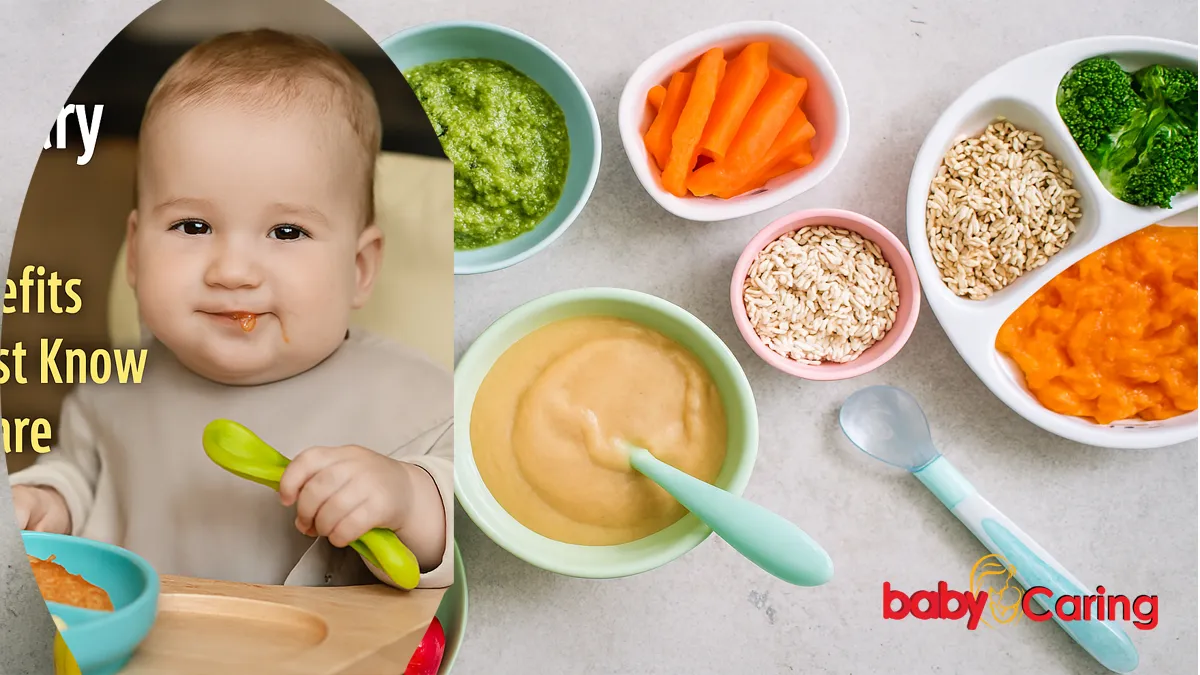
Complementary Foods: 8 Positive Benefits Every Parent Must Know for Infant Care
The moment your baby shows interest in your plate, the journey with complementary foods truly begins. It can feel exciting, confusing, and a little emotional at the same time. You want to keep your baby safe, support healthy growth, and build healthy eating habits for life.
This stage is more than “starting solids.” It is a sensitive window where your choices can shape taste preferences, nutrition, and even long‑term health. Many parents worry about doing it “right” and fear making mistakes. That concern is understandable.
The reassuring part is this: with informed guidance, most families do very well. You do not need fancy recipes or complex routines. You need safe, age‑appropriate options, patient feeding, and clarity about when and how to introduce them.
In this article, we will walk through eight key benefits of complementary foods for infants and how you can use them in daily life. You will also find a practical complementary foods list, a sample table of ideas, and answers to common questions parents ask pediatricians and dietitians.
Use this as a trusted guide, and adapt it to your baby’s unique needs and your family’s culture.
1. Complementary feeding fills nutrition gaps as your baby grows
Breast milk or formula remains the main source of nutrition in the first year. However, around six months, babies need more nutrients than milk alone can provide. That is where complementary feeding plays an essential role.
Key nutrients that often need support include:
- Iron
- Zinc
- Protein
- Certain vitamins (like A, D, and some B vitamins)
- Healthy fats
Why this matters
From about six months onward, iron stores present from birth start to drop. If babies do not get extra iron from solid foods, they may be at higher risk of iron deficiency anemia. This can affect energy levels, attention, and development.
By thoughtfully choosing complementary foods for babies, you can support:
- Healthy blood production (through iron‑rich options)
- Immune support (through zinc and vitamins)
- Steady growth (through protein and energy‑dense foods)
Practical example
For a seven‑month‑old, you might:
- Offer soft, well‑cooked lentils at lunch
- Provide mashed avocado for healthy fats
- Include a small serving of iron‑fortified baby cereal
These simple additions help bridge the nutrition gap while breast milk or formula remains central.

2. Early tastes shape lifelong eating habits
Babies are born ready to learn flavors. The early months of eating influence what they feel comfortable with later in life. This is one of the most meaningful benefits of complementary foods for infants.
Exposure to different flavors, textures, and food groups during this stage:
- Encourages acceptance of fruits and vegetables
- Lowers fear of new foods over time
- Reduces reliance on very salty or very sweet foods
Why variety matters
Research suggests that repeated, gentle exposure increases the chance that your child will like a food. A baby may need 8–15 tries to accept a new taste. That means a “no” on day one is not a permanent rejection.
Include a wide range of:
- Vegetables (green, orange, and red)
- Fruits
- Grains (oats, rice, millet, whole‑grain options when ready)
- Protein sources (beans, lentils, meat, eggs if tolerated)
- Healthy fats (avocado, nut or seed butters in safe forms)
Real‑life example
One family offers a tiny spoon of steamed, mashed broccoli twice a week. At first, their baby spits most of it out. After three weeks, the baby starts opening their mouth eagerly and eats it without fuss.
Consistency and calm repetition make more difference than “perfect” recipes.
3. Complementary foods support brain and cognitive development
The first two years are a critical period for brain growth. Nutrients from both milk and early foods feed that rapid development.
Important nutrients for the brain include:
- Iron
- Iodine
- Choline
- Omega‑3 fatty acids (especially DHA)
- Zinc
- B vitamins
How food affects the brain
Iron helps carry oxygen to the brain. Iodine supports thyroid function, which is essential for brain development. Omega‑3 fats contribute to building healthy brain cell membranes. When these nutrients are consistently available, babies are better supported for learning, attention, and memory.
Examples of brain‑supporting options
- Mashed egg (including yolk) for choline and fat
- Flaked, well‑cooked fish (low‑mercury types like salmon) for omega‑3s
- Iron‑fortified baby cereal for extra iron
- Pureed meats or lentils for iron and zinc
These items can be part of your list of complementary foods for infants, especially from six months onward, with safety and allergies in mind.
4. Learning to chew and swallow improves oral and motor skills
Many parents focus on nutrients and forget about muscle development. Eating itself is an important “exercise.” Moving from liquid to solid textures trains your baby’s mouth, tongue, and jaw.
When you offer age‑appropriate textures, your baby:
- Strengthens jaw and facial muscles
- Coordinates tongue movements
- Practices chewing and safe swallowing
- Builds skills needed for speech later
Texture progression matters
Starting with very smooth purees is fine. However, staying on purees too long can delay chewing skills. As your baby shows readiness, progress to thicker textures and soft lumps. Later, move toward soft finger foods.
A general texture progression might look like:
- 6–7 months: Smooth purees, thin porridges
- 7–9 months: Thicker purees, mashed foods, soft lumps
- 9–12 months: Soft finger foods, finely chopped family foods
Real‑life example
A parent offers mashed banana at six months, then mashed with tiny soft lumps at seven months. By nine months, the baby can handle small, soft banana pieces and steamed carrot sticks under supervision.
This gradual approach helps babies feel confident instead of overwhelmed.
5. Shared meals build emotional security and social skills
Feeding is not only about nutrients. It is also about connection. When a baby joins family meals, they watch, copy, and feel included.
Shared eating experiences can:
- Support emotional bonding with caregivers
- Encourage turn‑taking and eye contact
- Build trust that food will be available regularly
- Reduce mealtime stress over time
Responsive feeding
Responsive feeding means you:
- Offer food at predictable times
- Watch your baby’s hunger and fullness signs
- Do not force bites, but guide gently
This approach respects your baby’s cues and helps them trust their body. It also reduces battles over how much they “should” eat.
Example from daily life
A family seats their eight‑month‑old in a high chair at the table. The baby receives a small portion of mashed vegetables while parents eat similar foods. The baby watches, imitates, and feels part of the group.
Moments like this shape how children think and feel about food for years.
6. Complementary foods can lower risk of certain deficiencies and illnesses
Thoughtful choices in early feeding can help lower risk of some common health issues. This includes nutrient deficiencies and, in some cases, certain infections or chronic conditions later in life.
Reducing risk of anemia
Iron deficiency anemia is common in infants and

About the Author





1 thought on “Complementary Foods: 8 Positive Benefits Every Parent Must Know for Infant Care”