
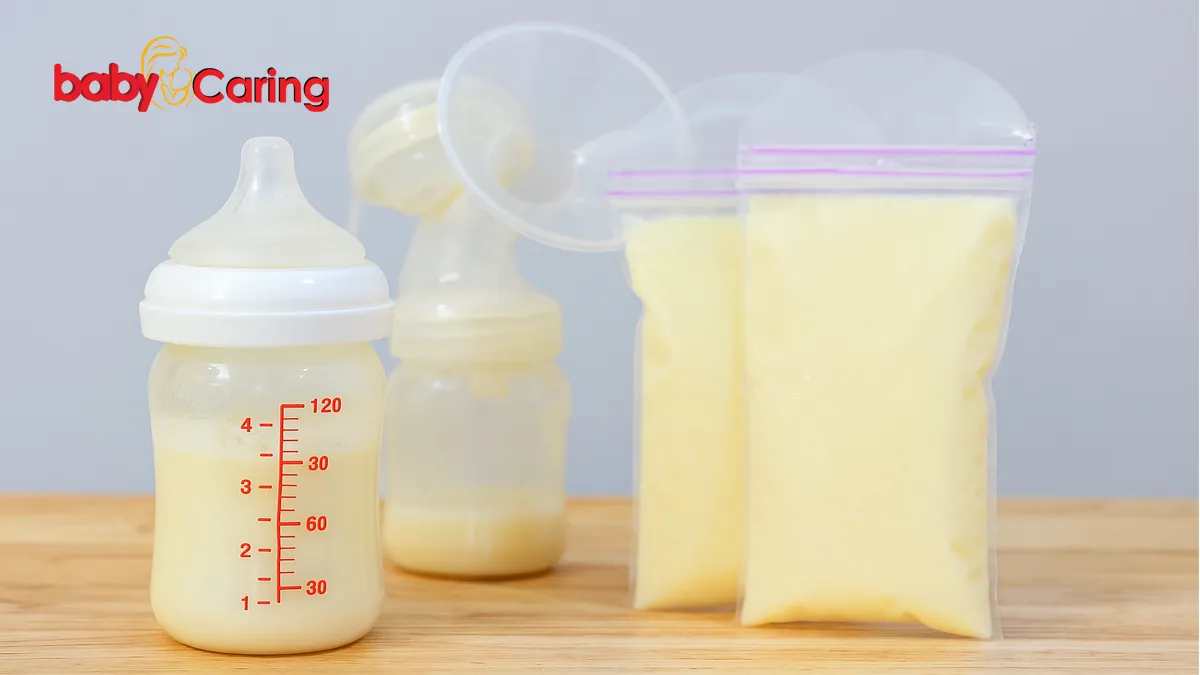
If you’re a breastfeeding parent trying to juggle pumping, sleep, work, and life, you’re doing something amazing — and storing your milk safely can feel like one more thing on the list. Whether you’re packing a few ounces for daycare or building a freezer stash, this friendly guide will walk you through how to store breast milk using three best methods. I’ll also include practical tips, a clear comparison table, and quick answers to common questions. Oh — if you’ve recently had a vaccine like Imovax or are planning one, there’s a short note below on what to ask your provider. Breathe. You’ve got this.
Why proper breast milk storage matters (short overview)
Safe storage preserves the milk’s nutrients and protective antibodies, keeps your baby safe from bacterial growth, and makes feeding easier for caregivers. Good habits now mean less waste, more predictability, and a calmer routine.
The 3 best methods to store breast milk (step-by-step)
Here are the tried-and-true methods that most lactation consultants and health agencies recommend. Each includes what to use, how long it lasts, and warming/thawing tips.
1. Short-term: Room temperature storage (best for feeding within hours)
When to use: Pumping for immediate feedings (e.g., you pump and baby feeds within a few hours), or when you’re away briefly.
What to use:
- Clean, BPA-free breast milk storage bags or sterile hard-sided containers.
- Keep pumps and parts clean and dry before use.
Storage duration:
- Up to 4 hours at room temperature (up to about 77°F / 25°C) is the safest guideline.
- If the room is cooler or you’re in an area with lower temps, some guidance allows up to 6–8 hours, but 4 hours is the conservative safe window.
Steps:
- Wash hands thoroughly.
- Express milk directly into a clean container or transfer from a pump collection bottle into storage.
- Label with date and time, and use within the recommended window.
- If you won’t use it within the room-temp window, chill immediately in the fridge.
Practical tips and example:
- Example: If you pump at work at 11:30 a.m. and baby will eat at noon, a room-temperature bottle is fine. If feeding will be at 3 p.m., chill it.
- Keep a small cooler with ice packs if you’re out and won’t get to refrigeration within 4 hours.
2. Refrigerator storage (best for 24–96 hours)
When to use: Storing milk for same-day or next-day use, or when you want to build a few days’ supply.
What to use:
- Refrigerator at 39°F (4°C) or colder.
- Store in the main body of the fridge (not the door) where temperatures are most stable.
- Use breast milk storage bags or hard-sided containers; leave some headspace if using bottles for freezing later.
Storage duration:
- Up to 4 days (96 hours) at 4°C or colder is the commonly recommended safe range.
- For best quality, many sources recommend using within 3 days, but 4 days is acceptable if properly cooled immediately after pumping.
Steps:
- Cool milk quickly: place the container in fridge as soon as possible after pumping (ideally within 30 minutes).
- Label with date and time; use oldest milk first (FIFO – first in, first out).
- If adding fresh milk to a refrigerated container, cool the fresh milk first in the fridge before combining.
Warming and using:
- Thaw only what you need (if previously frozen). Warm refrigerated milk by placing in a bowl of warm water or using a bottle warmer. Do not microwave.
- Use refrigerated milk within 24 hours once it’s been warmed for feeding.
Real-life tip:
- At daycare drop-off, label each bag with date/time and the child’s name. Pack a small insulated bag with an ice pack if pickup will be delayed.
- Freezer storage (best for long-term saving)
When to use: Building a stash, storing extra milk for travel, return-to-work planning, or future needs.
What to use:
- Deep freezer (0°F / -18°C or colder) for the longest storage.
- Upright freezers separate from refrigerating units usually keep milk best.
- Use thick, freezer-safe breast milk storage bags or rigid, BPA-free containers.
- Leave headspace in bottles (milk expands when frozen).
Storage duration:
- Freezer compartment inside a refrigerator (small, internal): up to 2 weeks.
- Freezer with separate door (standard freezer): best up to 3–6 months.
- Deep freezer (constant 0°F / -18°C): up to 6 months is a conservative best-practice recommendation; 12 months may be acceptable in a deep, stable freezer, but aim to use within 6 months for best quality.
Freezing steps:
- Cool freshly pumped milk in the refrigerator before placing it in the freezer if you plan to add to an existing frozen stash.
- Label each bag with date and time. Consider labeling portion size too.
- Flatten bags for easier storage and faster thawing; stack them.
- Store oldest milk in front or top — FIFO.
Thawing and warming:
- Thaw in the refrigerator overnight, or hold under warm running water or in a warm bowl.
- Once thawed, use within 24 hours if refrigerated; never refreeze thawed milk.
- Gently swirl to mix separated layers; do not shake vigorously.
- Never microwave (hot spots can burn baby and destroy some immune components).
Example scenario:
- You pump on weekends and freeze 2–4 ounce portions. Label with date/time and rotate every few months so older milk gets used first. If traveling for two weeks, pack frozen milk in an insulated cooler with dry ice or heavy-duty ice packs and coordinate with the airline/destination.
Clear comparison table: Room vs Refrigerator vs Freezer
(Use this table as a quick cheat-sheet; adapt it to your routine)
| Method | Typical Use | Safe Storage Time | Pros | Cons | Best containers |
|---|---|---|---|---|---|
| Room temp | Immediate feeding (within hours) | Up to 4 hours (safe) | Quick; no thawing | Short window; heat risk | Sealed containers or bags |
| Refrigerator | Same-day or next-day feeds | Up to 4 days (best within 3) | Ready to use; keeps quality | Limited time vs freezer | Bottles or bags; labeled |
| Freezer | Long-term stash | 3–6 months (best); up to 12 months in deep freeze | Long storage; convenient stash | Thawing needed; texture change | Flat freezer-safe bags or rigid bottles |
Numbered Benefits of storing breast milk properly
Benefit 1 — Preserve nutrition and immune factors
Why it matters:
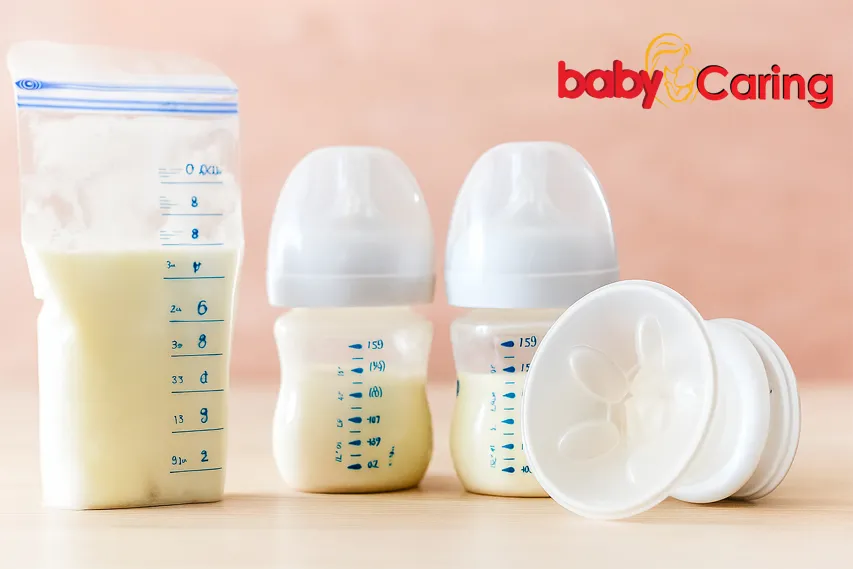
- Breast milk contains live antibodies, enzymes, and nutrients tailored to your baby. Proper storage preserves these components as much as possible.
- Correct temperature control slows bacterial growth and safeguards milk quality.
How to maximize this benefit:
- Cool milk quickly after expressing.
- Avoid reheating or microwaving (heat can reduce immune properties).
- Use gentle thawing methods to maintain nutrient integrity.
Benefit 2 — Flexibility and caregiver support (convenience)
Why it matters:
- Storing milk lets partners, family, or childcare providers feed your baby with breast milk, supporting your return to work or rest.
- A labeled stash reduces stress and makes feeds predictable.
How to maximize this benefit:
- Portion milk into small, practical amounts (2–4 oz or amounts your baby eats).
- Keep a clearly labeled, organized system (date, time, ounces).
- Leave written feeding notes for caregivers if helpful.
Benefit 3 — Reduce waste and save money
Why it matters:
- With good storage and rotation, you waste less milk and avoid unnecessary pumping stress.
- Less waste means less time and fewer supplies spent overall.
How to maximize this benefit:
- Use FIFO (first in, first out).
- Keep a small “ready” supply in the fridge for daily use and a freezer stash for emergencies.
- If you feel pressure to pump more than needed, check your stash and consider a tiny break — your body and mental health matter.
Labeling and organization — simple systems that work
- Write date and time, and portion size on each bag or container with waterproof marker.
- Use a storage bin in the freezer labeled “breast milk” to keep everything together.
- Keep a small checklist: pump date, amount, fridge/freezer location — for busy days, this saves mental energy.
Safety and hygiene checklist
- Wash hands thoroughly before pumping or handling milk.
- Clean pump parts after each use (follow manufacturer instructions).
- Sterilize or boil pump parts for babies under 3 months, preemies, or ill infants (follow local health guidance).
- Don’t add fresh warm milk to already-frozen milk; cool it first.
Special note if you’ve recently had a vaccine (including Imovax)
If you’ve recently gotten a vaccine such as Imovax, you might worry about breastfeeding safety. Generally:
- Many inactivated vaccines are considered safe while breastfeeding. Rabies vaccines (Imovax is a brand name for rabies vaccine) are not a contraindication to breastfeeding, but always confirm with your healthcare provider.
- If you have concerns about medications, vaccinations, or exposures, contact your doctor or local public health resources for personalized guidance.
- Do not discard milk unnecessarily; talk to a professional if you’re unsure.
Thawing, warming, and feeding etiquette
- Thaw in the refrigerator overnight for best quality. If you need it sooner, hold the sealed bag under warm running water or place in a warm water bath.
- Once thawed, use within 24 hours if kept in the fridge and do not refreeze.
- Swirl gently to mix; don’t shake hard.
- Test temperature on your wrist before feeding — lukewarm is good.
- If a baby doesn’t finish a bottle within 1–2 hours at room temperature, discard the rest (some centers say 2 hours; be conservative if your baby is ill or immunocompromised).
Traveling with stored breast milk
- Use an insulated cooler with ice packs for short trips.
- For long travel (air travel, long car rides), frozen milk can be transported with dry ice or heavy-duty ice packs — check airline rules and local regulations.
- Label clearly and have a note for daycare or customs if needed.
- Consider portable electric coolers available for car travel to maintain temperature.
Common mistakes to avoid
- Microwaving milk — creates hot spots and can degrade immune components.
- Mixing warm fresh milk into frozen milk — this can partially thaw the frozen milk and may promote bacterial growth.
- Forgetting to label — unlabeled milk becomes hard to use and leads to waste.
- Storing in fridge door — temperature fluctuates; use the main compartment.
FAQs —common questions about how to store breast milk
Q1: How long can breast milk sit out after pumping?
A: Up to about 4 hours at room temperature (around 77°F / 25°C) is a safe guideline. If in doubt, chill it and use within the refrigerator time window.
Q2: Can I refreeze breast milk after thawing?
A: No — once breast milk is fully thawed, do not refreeze. Use thawed milk within 24 hours if kept in the fridge.
Q3: Is it okay to warm breast milk in the microwave?
A: No. Microwaving can create hot spots and may reduce some of the milk’s beneficial properties. Warm under running warm water or use a bottle warmer.
Q4: Can I add freshly pumped warm milk to milk already in the freezer?
A: Avoid adding warm milk to frozen milk. Cool fresh milk first in the fridge before combining to minimize partial thawing and bacterial risk.
Q5: If I had Imovax, should I stop breastfeeding?
A: Generally, vaccines like Imovax are not a reason to stop breastfeeding. Still, check with your healthcare provider for personal medical advice. Don’t discard milk unless a clinician recommends it.
Q6: How much should I freeze per bag?
A: Freeze in practical portions your baby usually eats — commonly 2–4 ounces for newborns and larger portions as the baby grows. Small portions reduce waste.
Conclusion — final reminders and encouragement
Storing breast milk doesn’t have to be perfect to be helpful. The three best methods — room temperature (short-term), refrigerator (short-term daily use), and freezer (long-term stash) — give you flexible options to fit your life. Label, cool quickly, use FIFO, and handle milk gently when thawing and warming. If you’ve recently received a vaccine such as Imovax and have questions, reach out to your healthcare provider for reassurance — most vaccines are compatible with breastfeeding. For WordPress users, use Rank Math to optimize the page: set Imovax as your focus keyword, craft a good meta description, add internal/external links, and use schema.
You’re doing a great job. Start small — organize a few bags, label them, and notice how much calmer a ready supply can make you feel. If you want, I can help you draft an easy fridge/freezer labeling template, a sample pumping schedule, or a short text to give to caregivers about handling stored milk. Which would help you most right now?

About the Author






2 thoughts on “How to store breast milk: let’s know 3 best methods.”