
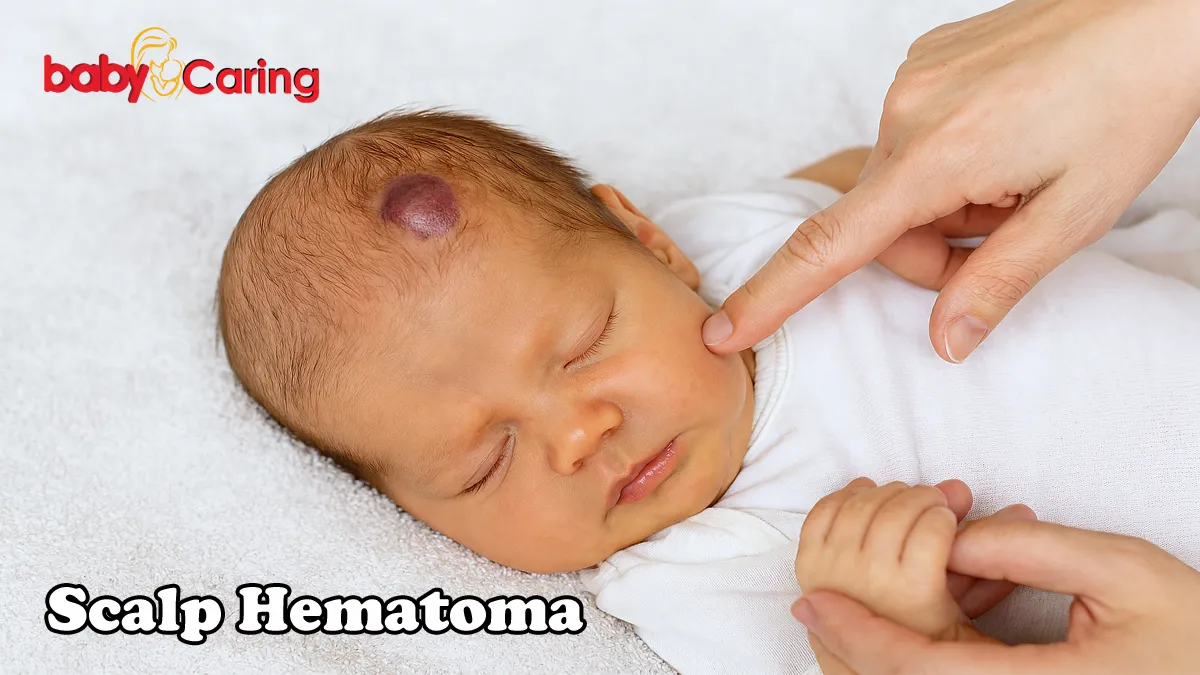
When you first hear a doctor mention a scalp hematoma baby might develop, your heart may drop. Your tiny baby looks so fragile. Seeing a swollen, sometimes bruised area on their head can feel terrifying.
You may wonder:
- Is my baby’s brain hurt?
- Did I miss something important?
- Will this bump ever go away?
You are not alone. Many parents face this exact moment. With the right information and support, you can guide your child through safe, calm healing. This article walks you through what is happening, what to watch for, and seven practical care tips you can use today.
Understanding the Bump on Your Baby’s Head
Before the care tips, it helps to understand what an infant scalp hematoma usually means. Clear information often reduces fear.
What is an infant scalp hematoma?
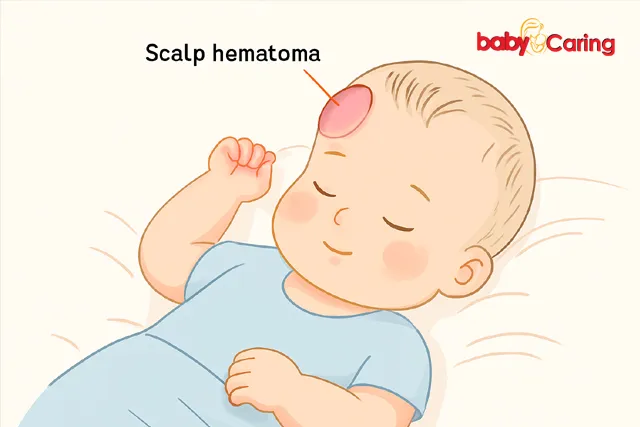
An infant scalp hematoma is a collection of blood under the skin of the scalp. It usually forms after:
- Pressure during birth
- A minor fall or bump
- Use of tools during delivery, like forceps or vacuum
In many cases, the skull and brain under the swelling are completely normal. The blood sits between layers of tissue in the scalp, not inside the brain.
Doctors sometimes use more specific terms, such as:
- Cephalohematoma – bleeding under a membrane on the skull bone
- Subgaleal hematoma – bleeding in a larger space under the scalp
These sound frightening, but often behave like a deep bruise. Some types, especially subgaleal collections, can be serious. That is why a medical check is always important.
Why do babies and toddlers get these head bumps so easily?
Babies and young children have:
- Softer skull bones
- Thinner scalp tissue
- Less control of head movement
This makes them more likely to swell after pressure or injury. It also means even a dramatic looking bump can still be less serious than it appears.
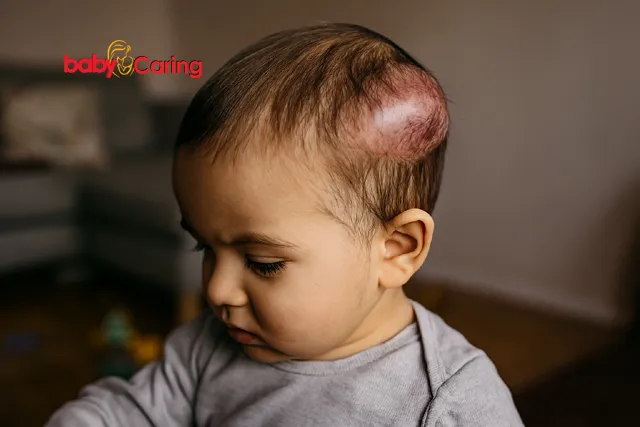
For a scalp hematoma child or toddler, a fall from a low height can create a large swelling. The size of the bump does not always match the seriousness of the injury. Only a professional assessment can tell you that.
Typical healing pattern
Most of these swellings:
- Look largest in the first few days
- Gradually get softer and smaller
- Change color like a bruise, then fade
Healing can take several weeks. In some cases, a firm bump stays longer as the blood hardens and then slowly reshapes. Your doctor can explain what timeline is expected for your child.
Now, let’s move into the seven baby care tips that can help you feel more confident and prepared.
1. Stay Calm and Understand What You Are Seeing
Your emotional state matters for your baby. When you feel grounded, it is easier to notice real changes.
Give yourself permission to feel scared
It is normal to feel:
- Shock when you first see the swelling
- Worry that you caused it
- Guilt that you did not prevent it
Your feelings do not mean your baby is unsafe. They simply show how much you care.
Learn the basic facts
A few grounding facts can reduce panic:
- Many newborns develop head swelling after birth.
- Most head bumps in toddlers and children heal well.
- Doctors see these injuries often and know how to evaluate them.
Example: A parent notices a large, soft bump after birth. The pediatrician explains the swelling came from pressure in the birth canal. With regular checks, it shrinks over several weeks without any treatment.
Use simple language in your own mind
Instead of thinking “massive head injury,” try:
- “This is a deep bruise on the scalp.”
- “We are getting it checked and following medical advice.”
- “I can watch for warning signs calmly.”
This mental shift does not ignore risk. It keeps your nervous system steady, so you can respond, not panic.
2. Get the Right Medical Evaluation Early
Early medical evaluation is the most important step. It protects your child and offers you clear guidance.
Why an exam is always necessary
Only a health professional can:
- Check your baby’s neurological status
- Decide if imaging is needed
- Review your baby’s birth or injury details
- Rule out skull fracture or internal bleeding
Even when everything looks mild, that expert opinion is vital.
What to tell the doctor
When you see the doctor, share:
- When you first noticed the swelling
- Any fall, bump, or delivery complication
- Changes in feeding, sleep, or behavior
- Any vomiting, unusual cries, or seizures
Be honest about any accident details. Doctors are there to help, not judge.
Possible tests the doctor may use
Depending on your child’s age and symptoms, the doctor may:
- Examine the head shape and soft spots
- Check reflexes, muscle tone, and alertness
- Use ultrasound to look under the scalp
- Rarely, order CT or MRI when concern is higher
They balance the need for information with the desire to avoid unnecessary radiation or sedation.
Example: A scalp hematoma child after a coffee-table bump may only need a careful physical exam and observation. No scan is required if they are alert and playful.
3. Watch for Red Flag Symptoms
Most bumps heal without problems. Still, you should know when to seek urgent help.
Key danger signs to watch for
Call your doctor or emergency services right away if your child has:
- Repeated or forceful vomiting
- Very hard to wake, or extreme sleepiness
- Seizures or jerking movements
- Weakness in arms or legs
- Pupils that look very different in size
- Blood or clear fluid from ears or nose
- A rapidly growing, tense swelling
Trust your instincts. If something feels very wrong, seek help.
Helpful comparison table
The table below can help you think about what you see. It does not replace medical advice.
| Sign or Symptom | What It May Mean | What Parents Can Do |
|---|---|---|
| Small, soft bump, baby acting normal | Typical swelling or bruise | Follow doctor’s advice, observe at home |
| Bump feels larger over several hours | Ongoing bleeding or more swelling | Call doctor the same day for guidance |
| Baby feeding poorly and very sleepy | Possible brain irritation or concussion | Seek urgent medical care |
| Vomiting more than once | Possible head injury, increased pressure | Go to emergency care |
| Seizure or stiff, jerking body | Possible serious brain problem | Call emergency services immediately |
If a scalp hematoma toddler suddenly acts confused after a fall, treat it as urgent. Behavioral change can be as important as the bump itself.
Keep notes of what you see
If you feel anxious, write down:
- The time you noticed changes
- What happened before the changes
- How long each symptom lasted
These details help doctors decide the best next steps.
4. Keep Your Baby Comfortable at Home
Once the doctor has checked your child, you can focus on comfort and gentle care.
Use cold packs safely
Cold can reduce swelling and discomfort, especially right after a minor injury.
Guidelines:
- Wrap an ice pack or bag of frozen peas in a thin cloth.
- Apply to the swollen area for 10–15 minutes at a time.
- Repeat every few hours during the first day, as advised.
Never place ice directly on the skin. Never force your baby to tolerate it if they are very upset.
Pain relief, only as directed
For pain, your pediatrician may suggest:
- Infant acetaminophen, based on weight and age
- Sometimes, ibuprofen for older babies or children
Avoid:
- Aspirin in children, due to serious side effects
- Any medicine not cleared with your doctor first
Always check:
- The correct dose for your baby’s weight
- The time since the last dose
- Whether your baby has other medical conditions
Handle the head gently
To avoid extra discomfort:
- Do not press on the bump.
- Support the head well when picking up your baby.
- Adjust hats or headbands so they do not rub the area.
Example: A parent notices their baby cries when laid on the swollen side. They gently shift sleep and feeding positions so more pressure rests on the other side.
5. Support Safe Sleep and Positioning
Sleep routines may need small adjustments while the swelling heals.
Follow safe sleep rules first
The most important sleep rule for babies is:
- Always place your baby on their back to sleep.
Even with a head bump, back sleeping is safest unless your doctor says otherwise. Avoid:
- Pillows
- Positioning devices
- Soft bedding
These can increase the risk of suffocation or other harm.
Adjust daytime positions
During awake time, you can:
- Hold your baby upright on your chest.
- Use a baby carrier with good neck support.
- Offer tummy time when supervised and comfortable.
Change positions often. This reduces constant pressure on one area of the scalp.
Car seat and stroller tips
For car seats or strollers:
- Make sure the straps fit snugly but comfortably.
- Check that no hard plastic edge presses on the bump.
- Use only approved inserts that came with the seat, if any.
Do not add extra padding that was not tested with the seat. It can affect safety in a crash.
6. Protect the Area from New Injuries
While the swelling heals, the area can be more sensitive. A second injury there may hurt more.
Make the home environment safer
Simple changes can lower risk:
- Clear clutter from floors to prevent falls.
- Use safety gates on stairs and high areas.
- Pad sharp table corners and low shelves.
For a curious scalp hematoma toddler, constant supervision near furniture and hard floors matters even more.
Supervise play and movement
Depending on age:
- Stay close when your baby practices rolling or sitting.
- Hold hands when your toddler climbs or walks on uneven ground.
- Avoid rough play that jostles the head.
You do not need to stop all activity. Movement helps development and mood. Just add an extra layer of awareness.
Helmet use for older children
For an active child who already rides a bike or scooter:
- Use a helmet for every ride.
- Make sure the helmet fits correctly and sits level.
Ask your doctor how long to be extra cautious about contact sports or high impact play.
7. Follow Up and Track Healing Progress
Healing is a process, not a single event. Tracking it helps you notice both progress and problems.
Know your follow-up plan
Before leaving your first appointment, ask:
- When should we come back?
- What changes should trigger an earlier visit?
- How long might this bump last?
Write the answers down. Keep them where you can see them.
Use photos as a record
Taking photos can:
- Show how the swelling changes over time
- Help you notice slow but real improvement
- Provide a clear record for follow-up visits
Tips:
- Take photos in similar light and angle.
- Note the date on each photo.
Example: Over three weeks, a family takes weekly photos of the bump. At first they feel nothing is changing. The pictures reveal clear shrinking, which reassures them.
Expect the appearance to change
Do not be alarmed if:
- The swelling feels firmer as it heals.
- The color shifts from red to purple, then yellow or green.
- The edges feel more defined for a while.
These can be normal healing stages. Still, mention any sudden change in size, warmth, or tenderness to your doctor.
8. Care for Your Own Emotions and Stress
Your well-being affects your child’s healing environment. You deserve support, too.
Acknowledge the stress of parenting through medical worries
Caring for a child with a visible injury can bring:
- Fear every time you look at the bump
- Overchecking or constant internet searches
- Tension with partners or family
These reactions are very common. They do not mean you are failing.
Build a small support circle
Reach out to:
- A trusted friend or relative
- Another parent who has handled a similar issue
- Online groups run by pediatric hospitals or professionals
Share:
- The doctor’s explanation
- What the plan is
- How they can help you feel less alone
Sometimes, someone simply listening can lighten the load.
Set gentle boundaries with others
Well-meaning people may offer alarming stories or unhelpful advice. It is okay to say:
- “Our pediatrician is guiding us, and we are following that plan.”
- “We prefer to avoid scary stories right now.”
Protecting your own calm helps your child more than arguing with others.
Frequently Asked Questions about Scalp Bumps in Babies and Children
Is a scalp hematoma dangerous for my baby?
In many cases, a scalp hematoma is like a deep bruise on the head. The main concern is whether any deeper injury exists below it. That is why a medical exam is essential. If your doctor has checked your baby and found no serious problems, the risk is usually low, and the bump should slowly heal.
How long does it take for the bump to go away?
Healing time varies. A small swelling may improve in one to two weeks. Larger collections, especially after birth, can take several weeks or even a few months to fully resolve. Your pediatrician can give a more specific timeline based on your child’s exact situation.
Can I touch or massage the swollen area?
Avoid pressing, squeezing, or massaging the bump. Gentle contact, like washing the scalp or supporting the head, is fine. Direct pressure can cause discomfort and might disturb the healing tissue. Always use soft motions when bathing or drying your baby’s head.
Will my baby have long-term problems or delays?
If there is no brain injury or skull fracture, long-term problems are unlikely. Most babies and children with a simple head swelling grow and develop normally. Your doctor will monitor milestones during regular checkups and can address any concerns early.
What should I do if the swelling looks worse after a few days?
Some swelling can look more obvious in the first days after an injury or birth. However, if the area suddenly increases in size, becomes very hard or very tender, or your child acts differently, contact your doctor right away. They may want to examine your child sooner than planned.
Can a head bump affect hair growth in that area?
Usually, hair grows normally once the swelling heals. Rarely, if there is scarring of the skin, a small patch may grow differently. If you notice lasting changes in the skin surface or hair pattern after healing, mention them at a checkup.
Conclusion: Helping Your Child Heal While You Stay Confident
A scalp hematoma can look overwhelming at first, especially on a tiny newborn or active toddler. Yet with proper medical evaluation, careful watching for warning signs, and gentle home care, most children heal very well.
Remember these key points:
- Get your baby or child examined promptly.
- Watch for red flag symptoms and seek urgent help if needed.
- Use soothing, practical steps to keep your child comfortable.
- Protect the area from new bumps while it heals.
- Take care of your own emotional health along the way.
Whether you are caring for a newborn with a birth-related swelling, a scalp hematoma child after a minor fall, or a busy toddler with a bumped head, you do not have to navigate this alone. Partner closely with your pediatrician, ask every question you have, and lean on your support system.
Your calm, informed presence is a powerful comfort as your child’s body does the work of healing.
Further reading (for your reference):
- American Academy of Pediatrics – HealthyChildren.org on head injuries
- Major children’s hospital websites on infant head trauma and bruises
About the Author






1 thought on “Scalp Hematoma: 7 Powerful Baby Care Tips for Stress‑Free Healing”