

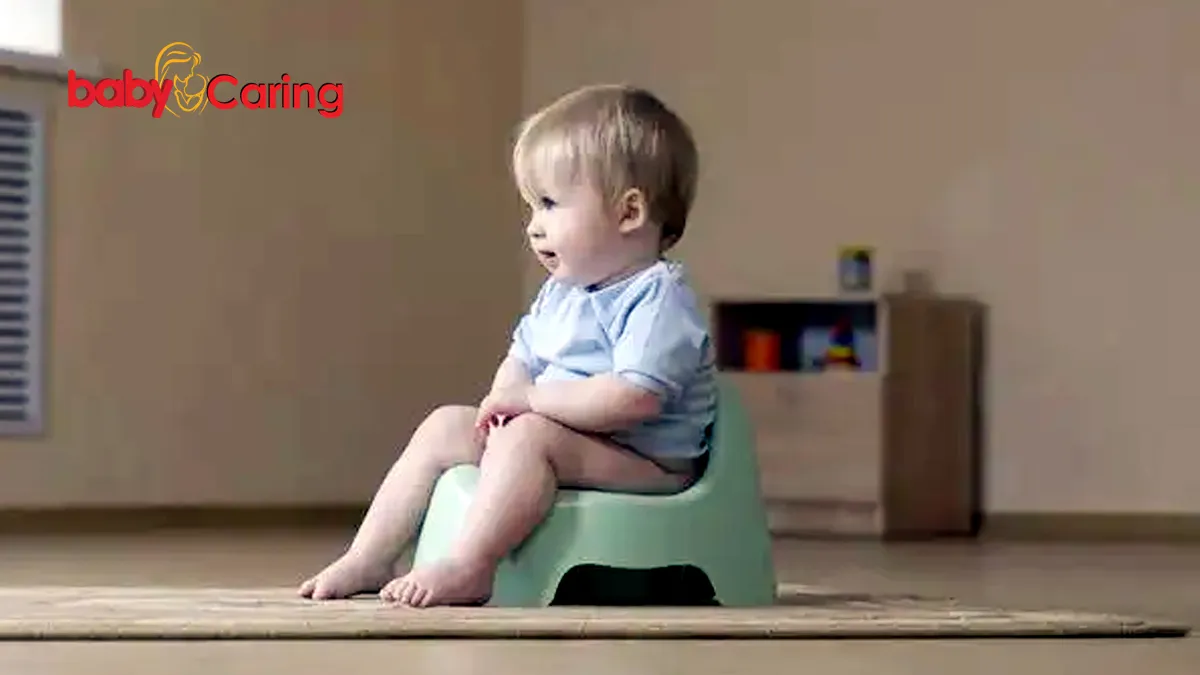
💩 Is your baby’s poop hard at the beginning and soft at the end? This is a signal from their body!
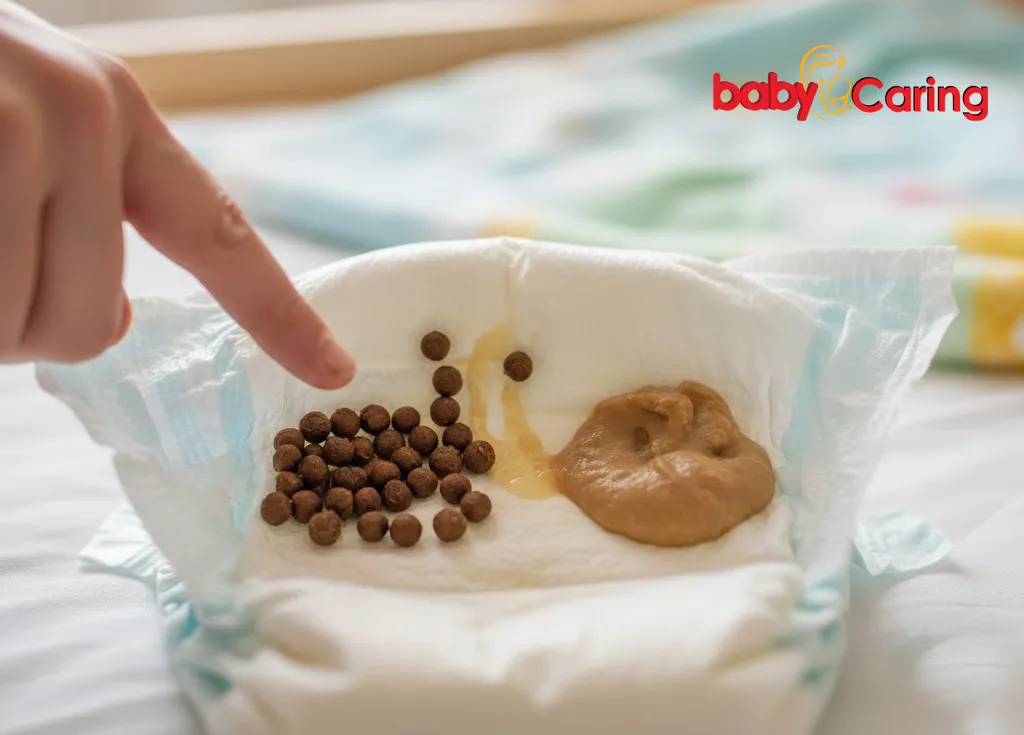
Mom A: My baby’s stool starts out like small pebbles, but then becomes soft and sticky…
Mom B: Is this constipation? Is it serious?
🔍 Attention! This is a typical symptom of functional constipation in children.
Don’t ignore it, as gut health affects your baby’s development!
🤔 Why is my stool sometimes hard at the beginning and soft at the end?
✅ Core reason: The time feces stay in the intestines varies.
• Feces produced earlier → stay too long → water is absorbed → hard and dry like a stone
. • Feces produced later → water is not fully absorbed → soft, sticky, and unformed.
📌 Reasons vary by age:
▪️0-1 year: Immature gut development/improper formula transition/insufficient milk intake
▪️1-3 years: Insufficient fiber in complementary foods/trouble during toilet training
▪️3-4 years: Holding in bowel movements at kindergarten/unbalanced diet
✨ Four easy ways to improve your baby’s constipation:
1️⃣ Eat the right fiber: Prunes, dragon fruit, pears, peas, broccoli
2️⃣ Hydrate scientifically: 120-150ml/kg/day
3️⃣ Regulate with probiotics: A helpful aid to gut health
4️⃣ Get enough exercise: 1 hour of outdoor activity daily + abdominal massage
√ Each 6 drops contains 1 billion CFU of live bacteria
√ Bifidobacterium animalis subsp. lactis Bb-12
√ Suitable for sensitive skin, improves constipation and boosts immunity
√ Combined with sunflower seed oil for better absorption
Tips: Bb-12 strain has been proven effective in relieving constipation. ✅
(Comparison of bowel movements before and after using Bb-12 for babies with an average age of 6.8 months)
📢 Share this with other mothers around you to help protect your baby’s gut health!
Baby’s poop hard: How harmfull is

Hard poop in babies can be harmful if it persists, as it often signals constipation, discomfort, or underlying digestive issues. Occasional firmness may be normal, but repeated hard stools should not be ignored.
When a baby’s poop is consistently hard, it usually indicates constipation, which can cause pain during bowel movements. Infants may strain, cry, or show signs of distress while passing stool. Hard stools can sometimes appear as large, dry lumps or small pellets, both of which are difficult to pass. Over time, this can lead to tiny tears in the rectum (anal fissures), sometimes causing streaks of blood on the stool.
Constipation in babies is not always dangerous, but it can affect their comfort, feeding, and sleep patterns. If left untreated, chronic constipation may result in stool withholding, where the baby resists passing stool due to pain, worsening the cycle. Formula-fed babies are more prone to hard stools compared to breastfed infants, but both can experience it depending on diet, hydration, or medical conditionsMayo Clinic.
Parents should watch for warning signs: persistent hard stools, blood in stool, refusal to feed, or extreme discomfort. While occasional firmness is common, repeated hard poop requires attention. Gentle remedies like adjusting feeding, ensuring hydration, or consulting a pediatrician can help.
In short, hard baby poop is not immediately dangerous but can become harmful if ignored, making early observation and intervention important for the baby’s health.
About DiPROX
DiPROX is an innovative company focused on microbiome research and clinical translation, dedicated to improving population health through cutting-edge microbiome technologies.
The company’s business encompasses a full range of services, including: microbiome CRO services, Gi-MAPS gut function assessment (with over 30 patents), functional strain development and registration, and personalized nutrition and microbiome health solutions . DiPROX possesses a high-level P2 enhanced microbiome immunometabolism laboratory and multiple Di-MRC medical research centers, forming a comprehensive system.
DiPROX drives the development of the probiotic industry with rigorous scientific research, providing systematic and standardized solutions for early life health management.


About the Author